Introduction
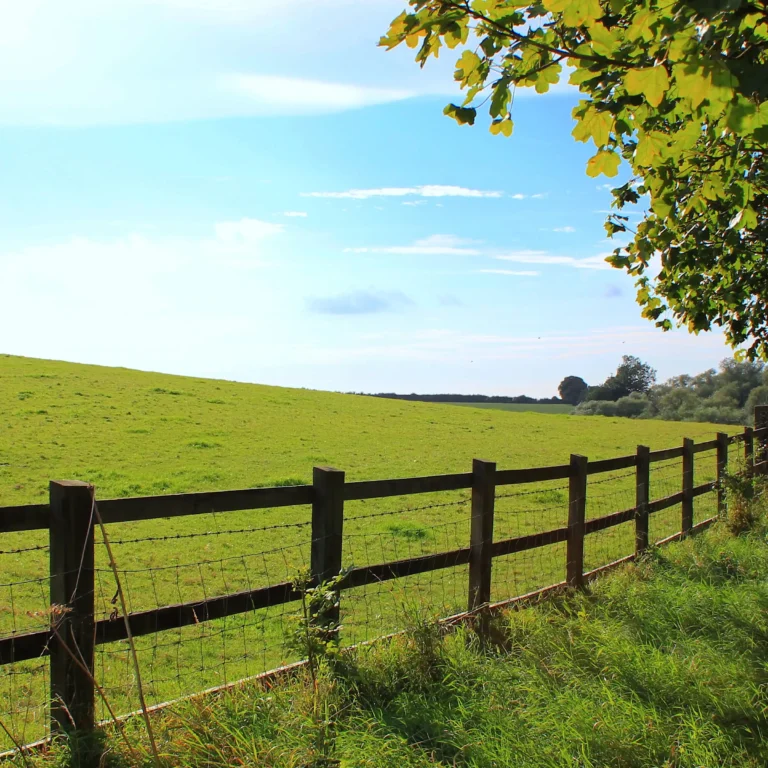
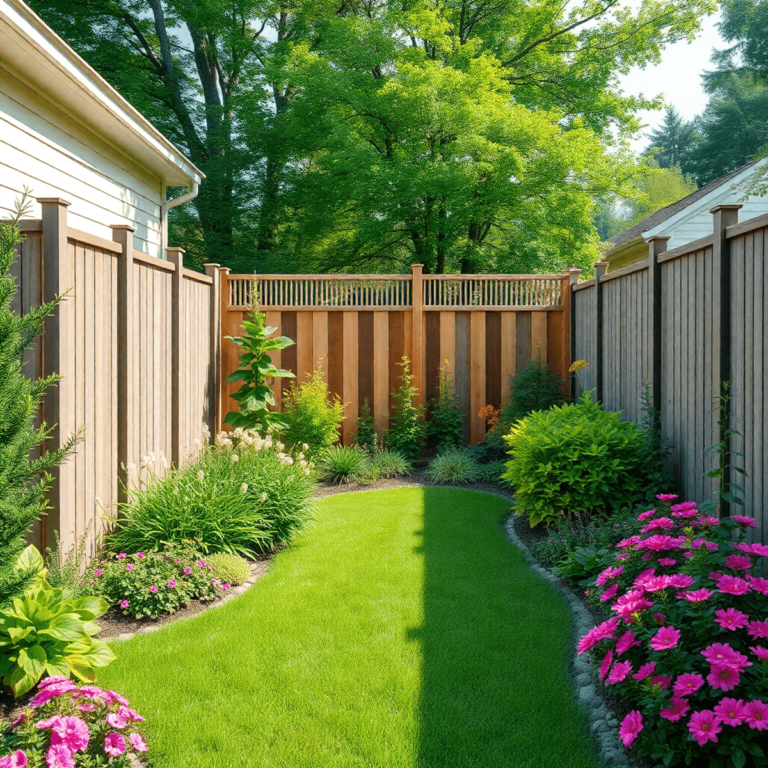
Choosing the right fence is crucial for defining your property’s boundaries, enhancing its appearance, and ensuring security. Whether you need an agricultural fence for your paddock or a stylish solution from a residential fence company near me, it’s important to understand the different options available.
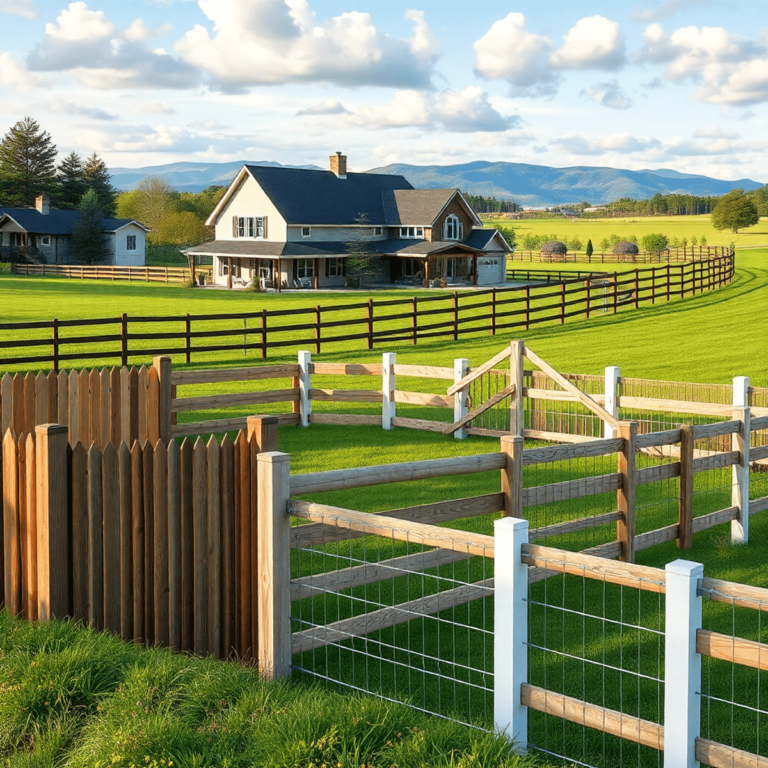
There are many types of fences to choose from, each designed to meet specific needs and preferences:
- Featherboard Fencing: Known for its sturdiness and solid privacy features, ideal for those prioritizing security.
- Lap Panel Fences: These are affordable yet effective in providing privacy, making them popular among homeowners.
- Decorative Options like Venetian Panels: Perfect for modern gardens where style meets function.
Fences do more than just mark boundaries; they can also enhance your garden by supporting climbing plants and creating private spaces. For specialized industries like equestrian or farming, fences serve additional purposes such as protecting livestock and defining property lines. An equestrian contractor may prioritize durability and height in their fencing choices, while a farming contractor might focus on cost-effective solutions that can withstand harsh weather conditions.
However, it’s important to remember that our choices in land use, including fencing, can have wider environmental impacts. For example, improper agricultural practices can lead to eutrophication, which causes excessive plant growth and decay in water bodies due to nutrient enrichment. Similarly, deforestation caused by agricultural expansion can result in habitat destruction and loss of biodiversity.
By selecting the right types of fences based on specific needs, you not only improve your property’s functionality but also increase its value and appeal. Understanding these environmental implications can help us adopt more sustainable practices in our agricultural activities, similar to the principles studied by renowned agriculturists like Johann Friedrich Mayer.
Understanding Different Fence Types
Solid Fencing Options
Choosing the right type of fence can completely change your property. It can make it more private, secure, and visually appealing. Solid fencing options are popular because they are built to last and can create a secluded environment. Here are some of the most effective solid fencing solutions:
Featherboard Fencing
Featherboard fencing is known for its durability and ability to provide excellent privacy and security. This type of fencing is made up of vertical boards that overlap each other, creating a solid barrier.
- Characteristics:
- The boards are tapered, which ensures they fit snugly against each other.
- Generally made from pressure-treated wood to resist rot and decay.
- Benefits:
- Offers excellent privacy due to its solid structure.
- Provides a high level of security, making it difficult for trespassers to break in.
- Maintenance Needs:
- Requires regular maintenance such as staining or painting to maintain appearance and prolong lifespan.
- Periodic checks for any loose boards or damage from weather are recommended to ensure durability.
Lap Panel Fencing
Lap panel fencing is an affordable solution that strikes a balance between cost-effectiveness and privacy features. It is one of the most commonly used types in residential areas due to its easy installation process and reasonable price.
- Characteristics:
- Consists of horizontal overlapping panels secured within a wooden frame.
- Typically available in standard panel sizes, making it easy to replace or repair sections as needed.
- Benefits:
- Provides adequate privacy with minimal gaps between panels.
- An affordable choice for homeowners looking to enclose a large area without spending too much.
- Care Requirements:
- Like featherboard, lap panels need regular treatment against moisture and pests.
- Annual applications of preservative treatments can enhance durability.
Hit and Miss Fencing
Hit and miss fencing offers an attractive option that combines aesthetic design with privacy advantages. This unique style features alternating panels placed on either side of the supporting rails, creating an appealing pattern that allows partial visibility.
- Visual Appeal:
- Adds an interesting architectural element to gardens or properties.
- Can be customized with various finishes to complement existing landscape designs.
- Privacy Advantages:
- While not completely opaque, the overlapping design reduces direct lines of sight, offering more privacy than slatted fences.
For those searching “fence builders near me” or “fence company near me,” it’s crucial to consult with professional “fencing contractors” who understand local conditions and regulations. Local expertise ensures that your chosen fence type not only meets aesthetic desires but also complies with any neighborhood guidelines. Choosing reputable “local fencing companies” can make all the difference in ensuring a successful installation that enhances property value and curb appeal.
Whether you choose featherboard, lap panel, or hit and miss fencing, each option has its own unique benefits tailored to different needs and preferences. These solid fencing options offer strong solutions for those prioritizing privacy and security while still looking good.
Semi-Solid and Decorative Panels
When considering fencing options, semi-solid and decorative panels offer an intriguing blend of privacy, aesthetics, and functionality. These types of fences not only serve as a boundary but also enhance the visual appeal of your garden or yard.
Venetian Panels
Venetian Panels are a popular choice among modern homeowners looking to combine style and practicality. Characterized by horizontal timber slats with small gaps, these panels provide a contemporary look that complements sleek architectural designs. The gaps between the slats allow light to filter through while maintaining a degree of privacy. This makes them ideal for gardens where both natural light and privacy are desired. Venetian panels can also be used effectively in commercial settings, adding a touch of sophistication to business premises.
Louvre and Metro Panels
Louvre and Metro Panels take the concept of semi-solid fencing a step further by incorporating elements that enhance both air circulation and light penetration. Louvre panels feature angled slats, creating a visually striking pattern that allows breezes to pass through without compromising on security or privacy. This feature is particularly beneficial in areas prone to high winds or where ventilation is necessary.
Metro panels, on the other hand, offer a modern twist with clean lines and a robust structure, suitable for urban gardens or contemporary landscapes. Their design promotes airflow while providing enough coverage to conceal unsightly views.
Choosing between these decorative fencing styles involves considering the role of aesthetics in your overall landscape design. For instance, if you’re aiming for an exotic touch, incorporating elements reminiscent of Persian gardens could be an interesting direction to explore. Consulting with local fencing companies can provide insights into how these panels can be integrated with existing features. A quick search for “fence builders near me” or “fencing contractors near me” connects you with professionals who specialize in installing these types of fences.
Whether you’re looking for solid fences like Featherboard or exploring semi-solid options like Venetian or Louvre panels, understanding the unique benefits each type brings ensures you make an informed decision tailored to your specific needs and preferences. Additionally, if you’re considering enhancing your garden’s aesthetic appeal further, you might want to explore the idea of integrating a rock garden into your landscape design. This could serve as a unique decorative element while also being functional in terms of pest control as discussed in our article on pest control.
Exploring Trellis Fencing for Garden Enhancement
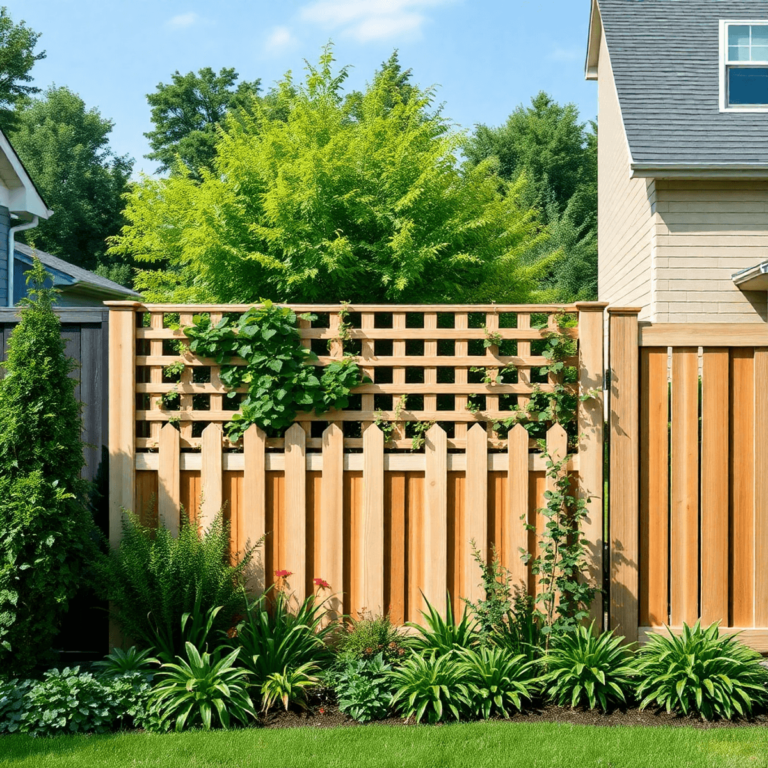
Trellis fencing offers a unique blend of functionality and charm, making it an excellent choice for enhancing garden spaces. It supports climbing plants while adding aesthetic appeal to any outdoor setting. This versatile fencing type is available in various styles, each offering distinct benefits.
Types of Trellis Styles
1. Square Trellis
- Design: Features a grid pattern of uniformly sized squares.
- Benefits:
- Ideal for supporting heavier climbing plants such as roses and wisteria.
- Provides a traditional look that complements classic garden designs, like those found in a cottage garden.
- Offers moderate privacy while still allowing light to filter through.
2. Lattice Trellis
- Design: Characterized by a crisscross pattern forming diamond shapes.
- Benefits:
- Excellent for lightweight climbing plants like clematis and morning glories.
- Adds visual interest and texture to fences or walls.
- Enhances garden aesthetics by creating intricate shadows and patterns with sunlight.
3. Diamond Trellis
- Design: A variation of the lattice trellis with elongated diamond patterns.
- Benefits:
- Supports a variety of climbing plants, promoting healthy growth by providing ample space for stems and tendrils to weave through.
- Offers a decorative touch to gardens, particularly when used as a backdrop for flower beds or seating areas.
- Balances privacy needs with an open structure that invites natural elements into the garden.
Handcrafted Trellis
For those seeking quality craftsmanship, handcrafted trellises provide both durability and elegance. These are typically made from pressure-treated timber, ensuring longevity against weathering elements.
- Materials: Utilizes robust battens (12mm x 25mm) secured with stainless steel or galvanized fixings for enhanced durability.
- Applications: Suitable for bespoke garden designs, offering tailored solutions that align with personalized aesthetic preferences.
Trellis fencing not only supports the vertical growth of plants but also serves as a captivating feature that elevates the overall design of your garden space. Through thoughtful selection of style and materials, trellis fencing can transform any garden into a lush, vibrant sanctuary.
Incorporating elements of organic horticulture can further enhance your garden’s health and productivity. Techniques such as using mulches or cover crops can significantly improve soil quality, which in turn benefits plant growth supported by your trellis.
Moreover, understanding land change science can help you make informed decisions about your gardening practices. Recognizing how human activities affect land use can lead to more sustainable gardening methods.
Lastly, if you’re considering expanding your gardening efforts beyond traditional boundaries, exploring the cultivation of wild rice could be an interesting avenue. This plant not only thrives in specific conditions but also contributes positively to local ecosystems when grown sustainably.
Alternative Garden Fencing Types to Consider
Picket Fences
Picket fences remain a timeless choice for enhancing the curb appeal of front gardens. Characterized by their distinct vertical boards and evenly spaced gaps, these fences provide a classic look that complements various architectural styles. While they are not designed to provide high security due to their low height, picket fences serve as a perfect boundary marker, allowing visibility while keeping small pets and children contained.
- Ideal Uses: Best suited for front gardens where aesthetics and boundary definition are priorities.
- Security Considerations: Due to their low height, they offer limited security but are excellent for decorative purposes.
Combination Fencing
For those seeking a balance between privacy and visual interest, combination fencing offers an innovative solution. By mixing different styles such as solid panels with lattice or trellis elements, this type of fencing caters to both functional and aesthetic needs. The integration of climbing plants into the design can further enhance its appeal, creating a living wall effect that changes with the seasons.
- Visual Interest: Combines multiple styles for a unique look.
- Plant Integration: Lattice tops or trellis sections are ideal for supporting climbing plants like ivy or rose vines.
Composite Fencing
Composite fencing stands out as a modern and sustainable option, combining wood fibers with plastic materials. This blend results in a highly durable product that resists weathering better than traditional wood fencing. Composite fences require minimal maintenance and offer an environmentally friendly alternative due to their recycled content.
- Durability: Engineered for longevity with resistance to rot and decay.
- Environmental Benefits: Made from recycled materials, making it an eco-conscious choice.
When considering alternative garden fencing types, each option brings distinct benefits tailored to specific needs—from decorative charm with picket fences to the innovative design flexibility of combination fencing, and the sustainable durability offered by composite materials.
In addition to these fencing options, it’s worth considering how your garden’s design can be enhanced by incorporating specialized areas such as an arboretum, which is a botanical collection of trees that can add significant aesthetic value. Alternatively, you might want to create spaces suitable for growing fodder plants that can be beneficial for livestock or even develop a biblical garden featuring plants mentioned in the Bible. Another interesting idea could be establishing a tea garden, an outdoor space serving tea and light refreshments, which could also double as a tea plantation.
Natural Screening Solutions for Privacy and Beauty
Natural screening options offer a harmonious blend of functionality and aesthetic appeal, creating an inviting ambiance while ensuring privacy. These screens are crafted from organic materials that not only enhance the garden’s visual appeal but also integrate seamlessly with the natural environment.
Types of Natural Materials
Several natural screening materials can be used to achieve a quintessential English country garden feel. Here are some popular choices:
- Hazel Hurdles: Traditionally handcrafted using interwoven hazel branches, these hurdles offer a rustic charm and robust structure.
- Bamboo Screening: Bamboo is lightweight yet strong, providing an exotic touch with its distinctive vertical lines.
- Reed Screening: Made from tightly bound reeds, this type of screening exudes a natural elegance with its fine texture.
Benefits of Each Material
Each of these natural materials comes with its own set of benefits:
- Hazel Hurdles: Ideal for creating a warm, earthy aesthetic, hazel hurdles provide excellent wind resistance due to their flexible construction. They are perfect for defining borders or adding texture to outdoor spaces.
- Bamboo Screening: Bamboo screens are easy to install and maintain, offering a sustainable option that grows quickly if cultivated. They provide effective privacy while allowing light to filter through, making them suitable for sunny gardens.
- Reed Screening: Reed screens are cost-effective and versatile, serving as decorative backdrops or partitioning solutions. Their airy structure makes them suitable for areas where airflow is desired.
Creating an English Country Garden Feel
Utilizing these natural materials helps in crafting gardens that evoke the timeless beauty of the English countryside. The organic textures of hazel hurdles, bamboo, and reed add depth and interest to garden landscapes. By selecting appropriate natural screening options, homeowners can create secluded sanctuaries that blend effortlessly with their surroundings.
Natural screening solutions not only enhance privacy but also contribute significantly to the overall aesthetics of outdoor spaces. With thoughtful selection and placement, these fences can transform gardens into serene retreats that reflect both style and sustainability.
However, it’s crucial to consider the environmental impact of our choices. For instance, while bamboo is often seen as a sustainable option due to its rapid growth rate, overexploitation can lead to serious issues such as desertification. This type of land degradation in drylands could stem from various factors including climate change and loss of vegetation. Therefore, responsible sourcing and usage of these natural materials is essential for maintaining ecological balance.
Interestingly, bamboo’s lightweight nature has even found applications in aeronautics, where it has been used in propeller designs due to its strength-to-weight ratio. This highlights the versatility of bamboo beyond just gardening applications.
Noise Reduction Fencing: A Solution for Peaceful Living Spaces
Noise reduction fencing is an innovative solution designed to help create tranquil environments in locations where external noise is a constant disturbance. Utilizing advanced materials and construction techniques, these fences serve as effective barriers to sound transmission.
How Noise Reduction Fencing Works
The primary function of noise reduction fencing lies in its ability to absorb and block sound waves. This is achieved through the use of dense materials that reduce the transmission of noise. For instance, the Forest Decibel Panel is engineered to decrease noise by up to 30dB, thanks to its layered construction which includes acoustic barriers and absorptive surfaces.
Benefits for Urban Homes and High-Traffic Areas
- Enhanced Privacy and Comfort: By minimizing external noises, noise reduction fencing improves the overall comfort and privacy of your living space.
- Increased Property Value: Homes with effective soundproofing solutions are often more attractive to potential buyers, adding a valuable selling point.
- Improved Health and Well-being: Reduced noise pollution contributes to lower stress levels and a more serene home environment, promoting better mental health.
- Versatile Applications: Suitable for urban homes near busy streets or areas adjacent to high traffic zones, providing a peaceful retreat amidst city life. However, it’s also important to note that these fences can be beneficial in rural areas, where they can help maintain tranquility amidst natural sounds or nearby roadways.
In urban settings where highway noise can be overwhelming, noise reduction fencing offers a strategic advantage for those seeking peace without compromising on modern conveniences.
Choosing the Right Materials & Quality Considerations for Your Fence
Selecting the appropriate fencing materials is crucial to ensure both functionality and longevity. Various materials offer distinct advantages, catering to different aesthetic preferences and environmental conditions.
Wood Fencing
Wood remains a popular choice due to its natural beauty and versatility. Pressure-treated timber is often recommended for its enhanced durability and resistance to rot and insects. This type of wood undergoes chemical treatment, providing a longer lifespan compared to untreated options. When searching for a wood fence company near me, consider those that offer high-quality timber selections tailored to your specific needs.
Composite Fencing
For those seeking a balance between aesthetics and low maintenance, composite fencing is an excellent alternative. Comprising a blend of wood fibers and plastic, this material offers the appearance of wood with added durability. It resists weathering better than traditional wood, making it ideal for areas with harsh climatic conditions.
Metal Fencing
Metal options like steel, powder-coated aluminum, and Corten offer unmatched strength and security. These materials are visually striking and can serve as modern design statements in contemporary landscapes. However, they tend to be heavier and more expensive than other fencing types. Metals are also resistant to pests and do not require frequent maintenance, making them suitable for long-term installations.
Importance of Quality Materials
Using quality materials for fencing is essential; it determines the fence’s ability to withstand environmental stresses over time. While initial costs may be higher, investing in superior products ensures fewer repairs or replacements in the future. Quality materials typically offer better weather resistance, maintaining structural integrity during adverse conditions such as heavy rain or strong winds.
Choosing the right material involves considering your specific requirements — from privacy concerns to aesthetic preferences — ensuring your fence not only complements your property but also stands resilient against time and weather elements.
Installation Considerations: What You Need to Know Before Getting Started
When starting a fencing project, it’s important to understand the cost of installing a fence. Several factors can affect these costs, with the choice of materials and labor being the main ones.
Factors Influencing Installation Costs
- Material Choice: The type of material you choose greatly affects the overall expense. Wooden fences are often more affordable than metal or composite options, but they require more maintenance. Composite materials, while initially pricier, offer longevity and minimal upkeep.
- Labor Costs: Hiring professionals for fence installation can vary significantly based on location and complexity of the project. Searching for “fence installation near me” can provide local estimates and help in finding reputable contractors.
- Project Complexity: Factors such as terrain, fence height, and any additional features like gates or decorative elements can increase labor time and cost. For instance, electric gate installation adds both complexity and expense due to the need for electrical work.
Essential Components for Successful Installation
A successful fencing project relies heavily on robust components:
- Fence Posts: These are the backbone of any fence structure. Choosing between wood and concrete posts depends on your specific needs:
- Wooden Posts: Offer a natural aesthetic and are easier to handle during installation but require treatment to prevent rot.
- Concrete Posts: Provide superior strength and durability, ideal for areas with high wind or unstable ground conditions.
- Accessories: Post caps, gravel boards, and other accessories not only enhance the appearance but also contribute to the fence’s longevity by protecting against weather elements.
Transitioning Smoothly
As you plan your fencing project, considering these factors will ensure a smooth transition from planning to execution. Whether you’re doing it yourself or getting professional help, understanding these components is key to success.
In case you’re looking for some historical context or past data related to your fencing project, you might find it useful to use resources like the Wayback Machine. This tool allows you to view archived versions of web pages across different time frames which may provide valuable insights into previous trends in fencing materials, costs, or installation methods.
Maintenance Tips to Prolong the Lifespan of Your Fence
Maintaining your fence is crucial for its longevity and effectiveness. Different materials require distinct approaches, especially when considering treatment options for longevity.
Understanding Treatment Options
1. Dip-Treated Fences
These fences are usually treated with preservatives that give them an orange or amber hue. While they come with a guarantee of up to 10 years, they require annual retreatment to maintain their protective layer. Applying a gravel board can help keep the fence off the ground, protecting it from dampness.
2. Pressure-Treated Fences
Known for their lighter or greenish hue, pressure-treated fences offer up to a 15-year warranty without the need for regular reapplications. The treatment penetrates deeper into the wood, providing enhanced protection against rot and fungal decay.
Prolonging Fence Lifespan
Regular upkeep plays a pivotal role in maintaining the durability of your fence:
- Inspect Regularly: Check for any signs of damage, such as broken panels or loose nails. Immediate repair can prevent further deterioration.
- Clean Annually: Remove dirt and debris with mild soap and water. This process helps prevent mold growth and keeps the wood looking fresh.
- Seal and Protect: Applying a quality sealant every few years can shield your fence from harsh weather conditions, enhancing its resistance to moisture ingress.
- Choose Appropriate Post Types: It’s essential to select the right type of posts for your treated fences to avoid issues such as post rot at ground level. Proper attention to these maintenance practices ensures that your fence remains both functional and aesthetically pleasing for years to come.
DIY vs Professional Installation: Which Option is Right For You?
Deciding between DIY fence installation and hiring professional fence contractors near you is a crucial step in your fencing project. Each option comes with its own set of advantages and challenges.
Pros and Cons of DIY Installation
Pros
- Cost Savings: DIY can significantly reduce labor costs, making it an economical choice for budget-conscious homeowners.
- Flexibility: Allows you to work at your pace, fitting the project around your schedule.
- Skill Development: Provides an opportunity to learn new skills and gain satisfaction from completing the project yourself.
Cons
- Time-Consuming: DIY projects can take longer, especially for those unfamiliar with fence installation processes.
- Expertise Required: Mistakes can lead to structural issues or increased costs if repairs are needed later.
- Limited Resources: Access to professional-grade tools and materials may be restricted, impacting the quality of the finished fence.
Hiring Professionals
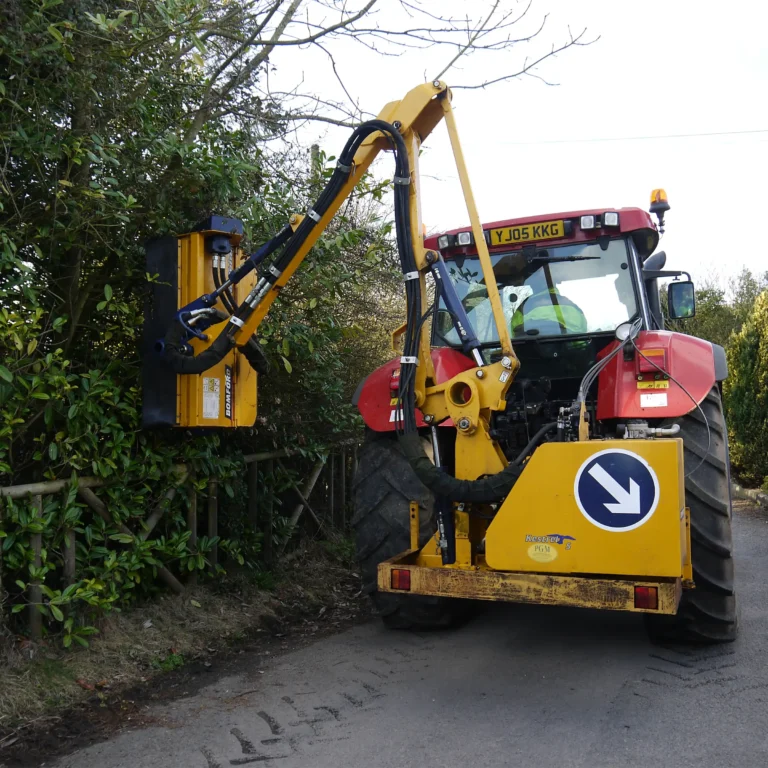
Opting for professional installation ensures that your fence is installed correctly and efficiently. Consider reaching out to local fencing companies or agricultural contractors near you who specialize in this service.
Benefits
- Expertise and Experience: Professionals bring years of experience and technical knowledge, ensuring high-quality craftsmanship.
- Time Efficiency: A team of experts can complete the project swiftly, minimizing disruption to your daily life.
- Guaranteed Results: Many professionals offer warranties on their work, providing peace of mind regarding future maintenance or repairs.
For those seeking reliable services, platforms like Checkatrade.com feature listings for local fencing companies. Additionally, agricultural contractors such as A Chowns Agricultural Services provide comprehensive fencing solutions tailored to both residential and agricultural needs. By carefully weighing these options against your personal circumstances and project requirements, you can make an informed decision that best fits your needs.
Our Final Thoughts and Recommendations
Choosing the right fence type is crucial in enhancing both the aesthetic appeal and functionality of your outdoor space. Whether you prioritize privacy, durability, or decorative elements, understanding the different types of fences available will guide you in making an informed decision. From solid options like Featherboard and Lap Panel to decorative panels and natural screening solutions, each type offers unique benefits tailored to specific needs.
When selecting a fence, consider:
- Purpose: Is your primary goal privacy, security, or decorative enhancement?
- Material: Options range from traditional wood to modern composites.
- Maintenance: Assess how much time and effort you’re willing to invest in upkeep.
- Budget: Different types have varying costs; plan accordingly.
For those seeking expert advice on agricultural fencing solutions or any other fencing needs, our company is here to assist. With a wealth of experience as an agricultural contractor, we offer personalized guidance and quality installation services. Our expertise extends beyond just fencing; we also provide insights into various agricultural tools such as the Harrow tool, which can be beneficial for land preparation before installation.
Moreover, we can assist with that if you’re involved in agriculture or other related fields. We have extensive experience with a variety of agricultural machinery,including those from well-known manufacturers like Claas and Case
Reach out today for customized suggestions that align with your landscape vision. Your ideal fence awaits—crafted with care, installed with precision.
FAQs (Frequently Asked Questions)
What are the different types of fences available?
There are various types of fences including solid fencing options like Featherboard, Lap Panel, and Hit and Miss Fencing, as well as semi-solid panels and decorative styles like Venetian, Louvre, and Metro panels. Each type serves different purposes such as privacy, security, aesthetics, and noise reduction.
How can I enhance my garden with fencing?
Fences can enhance garden features by providing support for climbing plants through trellis styles such as Square, Lattice, and Diamond trellis. They also add aesthetic value to your garden while creating a sense of privacy.
What materials should I consider for my fence?
When choosing materials for your fence, consider wood, composite, or metal. Quality materials are essential for durability and weather resistance. Pressure-treated timber is often recommended for longevity.
What are the maintenance requirements for different types of fences?
Maintenance varies by material: dip-treated and pressure-treated woods require different care. Regular upkeep is crucial to prolong the lifespan of your fence. It’s important to follow specific treatment options based on the material used.
Should I install my fence myself or hire a professional?
Deciding between DIY installation and hiring professionals depends on your skill level and project scope. DIY can save costs but requires time and effort. Hiring professionals ensures quality installation; local contractors specializing in fencing can be recommended if you choose this option.
How does noise reduction fencing work?
Noise reduction fencing uses specially designed panels like Forest Decibel Panels to absorb sound waves. This type of fencing is particularly beneficial in urban areas or locations with high traffic, providing a more peaceful living environment.