

Introduction
Choosing the right fence is important for improving both the function and appearance of your property. Whether you want privacy, security, or just something decorative, different types of fences have different benefits that can meet your needs. By understanding these options, you’ll be able to make a smart choice that works for you.
Why Choosing the Right Fence Matters:
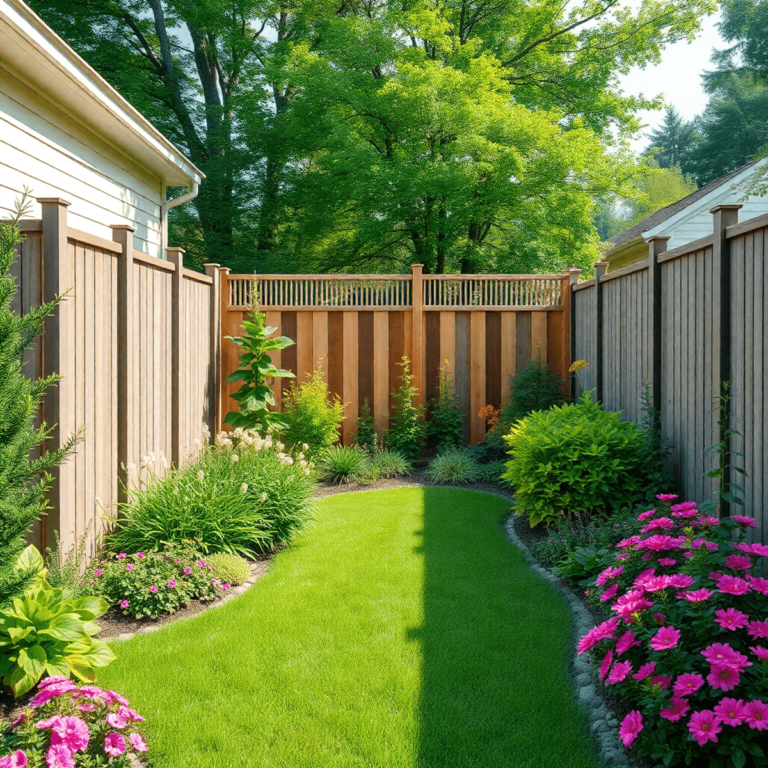
- Privacy and Security: Certain fences, like Featherboard or Lap Panel, provide solid barriers that shield your property from prying eyes and deter intruders.
- Aesthetic Appeal: Decorative styles such as Slatted or Trellis fencing add visual interest and can complement the architectural style of a home.
- Functionality: For those with specific needs such as noise reduction or supporting climbing plants, specialized fencing options provide tailored solutions.
However, it’s not just about the immediate benefits of choosing the right fence. The decision can also have long-term effects on the environment. For example, improper land use related to fencing could contribute to land change science issues, which are influenced by remote sensing and political ecology.
Overview of Fence Types and Benefits:
- Solid Fencing: Offers maximum privacy and security. Examples include Featherboard for its sturdy construction and Hit and Miss for a balance between privacy and airflow.
- Semi-Solid Panels & Decorative Styles: Ideal for contemporary settings where light penetration and design are prioritized. Louvre panels stand out for their sleek look.
- Trellis Fencing: Perfect for gardens needing aesthetic support for climbing plants while maintaining an open feel.
- Natural Screening Solutions: Utilize materials like hazel hurdles or bamboo to create a rustic ambiance with added privacy.
Talking to experienced fencing contractors in your area can help you choose the best type of fence for your specific environment and personal preferences. It’s also important to think about how your choices might affect local ecosystems, including potential eutrophication problems caused by runoff from certain types of fencing materials or landscaping practices.
Selecting the right fence is more than just a matter of preference; it involves understanding various factors including environmental impact, aesthetic appeal, functionality, and security needs. Therefore, doing thorough research and consulting with experts like those at A Chowns Agricultural Services can provide valuable insights into making an informed decision.
1. Solid Fencing Options
Selecting the right solid fence can significantly enhance the privacy and security of your property. Here, we delve into three popular types of solid fencing: Featherboard Fencing, Lap Panel Fencing, and Hit and Miss Fencing.
Featherboard Fencing
Featherboard, also known as Closeboard or Feather Edge fencing, is renowned for its sturdiness and durability. This type of fencing is constructed using overlapping vertical boards that are nailed to horizontal rails supported by robust posts. The key benefits of Featherboard Fencing include:
- Privacy and Security: Its design ensures minimal visibility through the panels, making it an excellent option for those prioritizing privacy.
- Versatility in Height and Design: Available in various sizes and heights, it can be tailored to specific requirements.
- Maintenance Considerations: Regular staining or painting is recommended to maintain its appearance and protect against weathering.
Lap Panel Fencing
Lap Panel Fencing serves as a more budget-friendly alternative without compromising on privacy:
- Cost-Effectiveness: Known for being one of the most affordable fencing options, making it ideal for large areas. You can find detailed insights about the costs involved in replacing garden fences here.
- Privacy Features: Composed of horizontally overlapping wooden boards, it provides substantial privacy.
- Care Needs: While less durable than Featherboard, painting or staining can help prolong its lifespan.
Hit and Miss Fencing
The unique design of Hit and Miss Fencing makes it a visually appealing choice while maintaining a degree of privacy:
- Visual Appeal: Panels consist of alternating vertical slats on either side, creating an attractive aesthetic.
- Privacy Benefits: Although offering some visibility through gaps, the offset slats obscure direct sightlines.
- Considerations: Weeds may grow through gaps at the base; hence regular maintenance is advised to keep it looking pristine.
Each solid fencing option provides distinct advantages tailored to different needs and preferences. Whether you seek maximum privacy with Featherboard or an aesthetically pleasing solution with Hit and Miss, these options cater to a wide range of requirements. You might want to explore which garden fencing option is best suited for you for further insights.
2. Semi-Solid Panels & Decorative Styles
Incorporating semi-solid panels and decorative fencing styles into your outdoor area can significantly enhance the aesthetic and practicality of modern gardens. These fencing options offer a unique blend of privacy, style, and functionality, making them a preferred choice for today’s homeowners.
Design Elements and Suitability for Contemporary Gardens
1. Semi-Solid Panels
These panels provide a balanced solution for both privacy and light entry. The design allows some visibility while still establishing a boundary. By using materials like wooden slats arranged with deliberate gaps, semi-solid panels such as the Venetian style offer both sophistication and functionality.
2. Decorative Fencing Styles
Decorative styles like lattice or trellis are often characterized by intricate designs or distinctive arrangements that add visual appeal to various garden themes. They serve as an excellent backdrop for other garden features, seamlessly integrating with the landscape.
Advantages of Louvre and Metro Panels
1. Light Penetration
The Louvre and Metro panels are designed to allow light to pass through while preserving privacy. This quality is particularly beneficial for gardens where natural sunlight is vital for plant growth or enhancing the atmosphere.
2. Air Circulation
With careful spacing between slats or pales, these panels promote airflow, providing ventilation without compromising security. This makes them ideal for areas susceptible to strong winds or where air movement can help maintain a comfortable setting.
Both Louvre and Metro styles demonstrate how semi-solid and decorative fencing can transform garden spaces by merging beauty with practical advantages. Their adaptable nature accommodates various design inclinations, ensuring they cater to diverse preferences while fulfilling specific requirements.
These factors make semi-solid panels and decorative styles an excellent choice for those aiming to enhance their garden’s appearance while ensuring it remains functional and inviting.
Exploring Garden Styles
In addition to the aforementioned styles, Persian gardens represent another fascinating approach to garden design. Originating around 4000 BC, these gardens are characterized by their emphasis on aesthetics, often featuring water elements in their design due to Zoroastrian influences during the Sasanian Empire.
Moreover, the concept of a rock garden, which utilizes rocks as decorative and symbolic elements, has also gained popularity. This style has its roots in Chinese and Japanese gardens dating back at least 1,500 years but gained prominence in England from the 1830s for alpine plants.
By incorporating these diverse styles into your outdoor space along with semi-solid panels and decorative fencing, you can create a unique garden that reflects your personal taste while also serving practical purposes.
If you’re considering these enhancements for your garden, you might want to consult professional fence installers who can provide expert advice on the best options available. Additionally, it’s important to follow local guidelines such as those outlined in the HDLC Design Guidelines when planning your outdoor modifications to ensure
3. Trellis Fencing: Aesthetic Support for Climbing Plants
Trellis fencing is a popular choice for gardeners seeking both functionality and beauty. By supporting climbing plants, it transforms ordinary spaces into vibrant displays of nature’s artistry. This section explores the various styles of trellis fencing and their contributions to garden aesthetics.
Types of Trellis Fencing
1. Square Trellis
- Design: Characterized by evenly spaced squares, this style offers a straightforward yet elegant framework.
- Benefits: Its simplicity allows for easy installation and versatile use across different garden designs. Square trellis is particularly effective in supporting robust climbers such as clematis or jasmine.
2. Lattice Trellis
- Design: Featuring a crisscross pattern, lattice trellis provides a visually appealing structure.
- Benefits: Beyond its decorative appeal, the lattice design offers excellent support for a wide variety of climbing plants. It also adds an element of privacy while still allowing light to filter through.
3. Diamond Trellis
- Design: Known for its distinctive diamond-shaped openings, this style adds a sophisticated touch to any garden setting.
- Benefits: The diamond pattern not only enhances visual interest but also provides strong support for heavier climbers like roses or wisteria. Its unique design can serve as a standalone feature or integrate with other fencing types.
Enhancing Garden Aesthetics
Trellis fencing enhances garden aesthetics by:
- Creating Vertical Interest: Elevating plants off the ground adds dimension and depth to flat landscapes.
- Encouraging Growth Patterns: By guiding plant growth, trellises can craft stunning natural sculptures.
- Offering Seasonal Variety: As climbing plants bloom and change with the seasons, they introduce dynamic color palettes and textures.
Moreover, incorporating biblical gardens into your landscape can offer a unique theme that resonates with historical and cultural significance. These gardens typically feature cultivated collections of plants named in the Bible, adding an enriching layer to your gardening experience.
Trellis fencing serves as both a practical solution for supporting climbing plants and an artistic element that enriches any garden environment.
4. Alternative Garden Fencing Types to Consider
Picket Fences
Picket fences are a classic choice for front gardens, adding a charming touch and enhancing the overall appearance of your property. They are typically low in height, creating an inviting boundary without blocking views. While they serve more as a decorative element rather than providing strong security or privacy, picket fences can still be a great addition to your garden.
Design Features
Picket fences are characterized by spaced vertical boards, often with pointed tops. They come in various heights and styles, allowing you to choose an option that complements your home’s architecture.
Considerations
While picket fences are visually appealing, their low height may pose security challenges. It’s important to assess whether additional security measures are necessary based on the location of your property.
Material Choices
Traditionally made from wood, picket fences now have modern alternatives such as vinyl or composite materials. These options offer durability with minimal maintenance requirements.
Combination Fencing
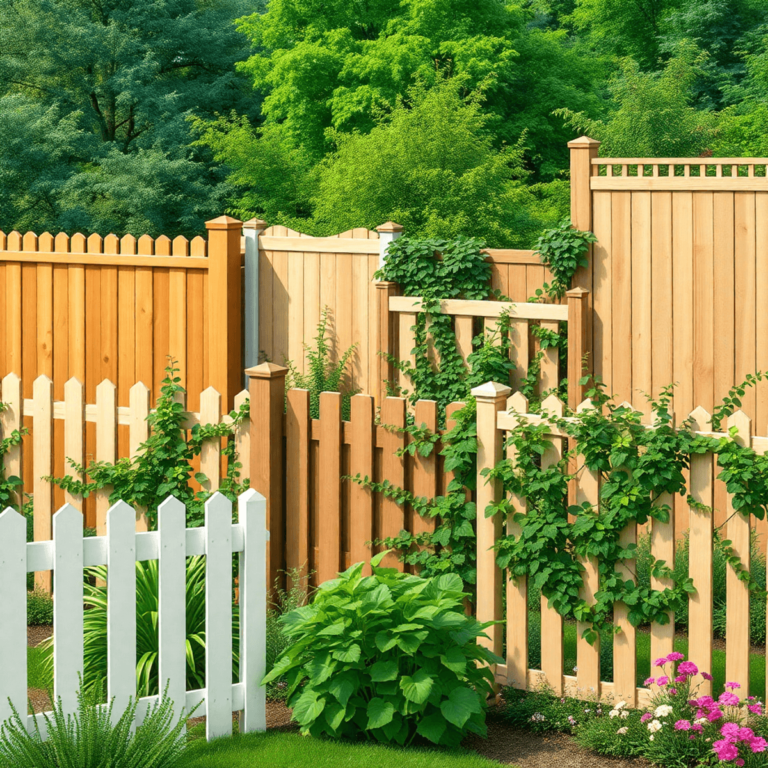
Combination fencing provides an opportunity for creativity by combining different styles and materials to achieve both functional and aesthetic goals.
Visual Interest
By blending various fencing types like solid panels with decorative lattice tops, you can create a visually striking contrast that adds depth and character to your garden space.
Integration with Climbing Plants
These mixed designs also offer opportunities for integrating climbing plants such as roses or clematis. The combination of solid panels for privacy and open sections for plant growth can enhance both the beauty and functionality of your outdoor area.
Customizability
Combination fencing allows flexibility in design, making it possible to tailor the structure according to specific landscape features or personal preferences. This opens up avenues for unique expressions in your garden.
In addition to these traditional fencing options, exploring alternative garden styles such as the cottage garden can also provide unique landscaping ideas. These gardens often feature a mix of ornamental and edible plants, creating a charming and functional outdoor space.
When considering alternative garden fencing options like picket and combination fencing, it’s important to find a balance between aesthetic desires and practical needs such as security and maintenance. These choices offer versatile solutions for creating inviting outdoor environments while still maintaining necessary boundaries.
5. Natural Screening Solutions for Privacy and Beauty
Creating a private oasis within your garden often involves incorporating natural screening options that blend seamlessly with the landscape. The use of natural materials like hazel, bamboo, and reed offers not just privacy but also a touch of rustic charm reminiscent of an English country garden. These materials are environmentally friendly alternatives to conventional fencing, providing both aesthetic appeal and functional benefits.
Key Materials for Natural Screening
1. Hazel Hurdles
- Appearance: Hazel hurdles are traditional woven panels that exude a countryside feel.
- Durability: Known for their robustness, these hurdles can withstand various weather conditions while maintaining their integrity.
- Aesthetic Appeal: Their natural, earthy tones add warmth and texture to any outdoor space.
2. Bamboo Screening
- Versatility: Available in rolls or panels, bamboo screens can be used as standalone fences or attached to existing structures for added privacy.
- Sustainability: Bamboo grows quickly and is renewable, making it an eco-friendly choice.
- Visual Impact: Its slender stalks create an elegant barrier that complements diverse garden styles. Interestingly, bamboo has historical significance in aeronautics as well, with its lightweight properties being explored in propeller design.
3. Reed Screening
- Cost-Effective: Reed is often more affordable than other natural materials, offering a budget-friendly solution without compromising on looks.
- Flexibility: Easy to install and modify, reed screening can be shaped to fit unique garden layouts.
- Natural Aesthetics: With its soft appearance, reed screening adds a subtle backdrop that enhances plantings and garden decor.
Benefits of Natural Screening
- Eco-Friendly Options: Utilizing organic materials supports sustainable practices by reducing reliance on synthetic products.
- Seamless Integration: These screens integrate well with climbing plants like ivy or clematis, fostering a harmonious relationship between man-made structures and nature.
- Visual Appeal: The varied textures and colors contribute to a picturesque landscape design that’s both functional and beautiful.
However, it’s crucial to consider the long-term impact of our gardening practices on the environment. Unsustainable practices can lead to issues like desertification, which is a type of land degradation that can severely affect our landscapes. Choosing the right natural screening option can transform your outdoor area into a tranquil retreat while ensuring privacy and preserving the environment’s beauty.
6. Noise Reduction Fencing: A Solution for Peaceful Living Spaces
The modern world is filled with noise, particularly in urban environments or areas with high traffic. However, noise reduction fencing offers a practical solution to mitigate unwanted sounds, creating more serene living spaces. This type of fencing functions by incorporating dense materials and specialized construction techniques designed to absorb and block sound waves.
How Noise Reduction Fencing Works
At the core of noise reduction fencing are materials that have high mass and density. These characteristics are crucial because they help to prevent sound vibrations from passing through. Some noise reduction fences also feature an overlapping board structure or a solid construction that ensures minimal gaps, providing enhanced acoustic insulation. The Forest Decibel Panel is an excellent example of this technology, capable of reducing noise levels by up to 30dB by using a combination of these elements.
Benefits in Urban Settings or High Traffic Areas
- Enhanced Privacy: Beyond reducing noise, these fences also provide a greater sense of privacy as they are usually taller and more solidly constructed than typical garden fences.
- Improved Quality of Life: With less ambient noise infiltrating living spaces, residents can enjoy quieter outdoor activities and improved indoor comfort.
- Increased Property Value: Properties in noisy areas can benefit significantly from the installation of noise reduction fencing, potentially increasing their market appeal due to the improved living conditions they offer.
- Versatility: Noise reduction fencing can be integrated into various settings, whether it’s surrounding a residential garden in a rural area, lining a busy road, or installed around commercial properties needing quiet zones.
By selecting the right materials and design for your fence, you can transform your noisy surroundings into tranquil retreats. Whether tackling urban din or striving for peace beside a bustling thoroughfare, noise reduction fencing stands as a robust ally in crafting peaceful environments.
Choosing the Right Materials & Quality Considerations for Your Fence
Selecting the appropriate materials for your fencing project is crucial in achieving both functionality and aesthetic appeal. Various materials are available, each with distinct characteristics suitable for different fence types.
Wood
- Pressure Treated Timber: This is a popular choice for its natural appearance and durability. The treatment process enhances resistance to rot and insect infestation, extending the fence’s lifespan. Regular maintenance like staining or sealing can further protect it from weathering.
- Untreated Wood: Offers a more organic look but requires frequent upkeep to maintain its integrity against elements.
Composite
Composite fences blend wood fibers with plastic, offering a combination of wood’s aesthetic appeal and plastic’s resilience. They require minimal maintenance and are available in various finishes that mimic natural wood grain. This material is ideal for homeowners looking for long-lasting solutions without sacrificing style.
Metal
Metal fences, such as those made from steel or aluminum, provide robust security solutions.
- Steel: Known for strength, it’s often used in high-security settings but can be heavy and expensive.
- Aluminum: Offers a lightweight alternative with resistance to rust, making it suitable for coastal areas.
Importance of Quality Materials
Investing in quality materials is essential for ensuring your fence withstands environmental challenges:
- Durability: High-quality materials resist wear and tear better, reducing the need for frequent replacements.
- Weather Resistance: Materials like pressure treated timber or powder-coated metals offer enhanced protection against harsh weather conditions.
Prioritizing quality not only enhances your fence’s longevity but also contributes to the overall value and safety of your property.
While selecting the right materials, it’s also worth considering the harrowing process, which can significantly improve soil quality if you’re planning on installing a wooden fence. Harrowing breaks up clods and provides suitable soil structure, ensuring that your fence has a strong foundation to stand on.
Installation Considerations: What You Need to Know Before Getting Started
Understanding the intricacies of fence installation is crucial for a successful project. The fence installation cost is predominantly influenced by two main factors: material choice and labor. Different types of fences, such as wood, composite, and metal, each have their own unique installation requirements and cost implications.
Key Factors Affecting Fence Installation Cost
- Material Choice: Selecting the right material not only affects durability but also impacts installation complexity and cost. For instance, solid wood fencing typically requires more labor due to its weight and need for precision in installation. Composite materials might offer an easier setup but could come at a higher material cost. Metal fences, particularly those made from steel or aluminum, are often pricier due to both material costs and the specialized skills needed for installation.
- Labor Costs: The complexity of your chosen fence design will directly influence labor expenses. Intricate designs or installations on uneven terrain require more time and expertise, increasing overall costs.
Essential Components for Installation
Choosing the appropriate posts is an integral part of ensuring stability and longevity:
- Wood Posts: These offer a natural aesthetic and are easier to maneuver. However, they require treatment to prevent rot and decay when placed underground. Utilizing organic horticulture techniques can enhance soil health around these posts, prolonging their lifespan.
- Concrete Posts: Known for their strength and durability, concrete posts are less susceptible to environmental wear but are heavier and more challenging to install.
Both options have their merits, with wood providing flexibility in design changes (especially if you incorporate some organic horticulture practices into your landscaping) and concrete offering steadfast support against environmental pressures. Balancing these considerations with your budget will guide you toward the best choice for your specific needs.
Maintenance Tips to Prolong the Lifespan of Your Fence
To ensure your fence lasts as long as possible, it’s important to understand the maintenance requirements for different materials. By taking a proactive approach to care and regularly maintaining your fence, you can significantly extend its lifespan.
Maintenance Needs for Different Materials
1. Dip-Treated Fencing
- Typically offers a 10-year lifespan with annual retreatment necessary to maintain its protective layer.
- These fences often have an orange or amber hue and benefit from the use of gravel boards to keep them off the ground, reducing exposure to dampness.
2. Pressure-Treated Fencing
- Known for its longer lifespan, often up to 15 years, without needing regular reapplications.
- This treatment imparts a lighter or greenish hue and enhances resistance against rot and insect damage.
Tips for Regular Maintenance
- Regular Inspections: Check for signs of wear, such as loose panels, exposed nails, or rotten wood, especially after adverse weather conditions.
- Cleaning: Periodically clean the fence using water and mild detergent to remove dirt, algae, and mildew. Pressure washing is effective but should be done carefully to prevent damage.
- Staining/Painting: Reapply stain or paint as needed based on manufacturer recommendations. This not only enhances appearance but also provides an additional protective layer against weather elements.
- Repairing Damages: Promptly address any damages like broken boards or sagging posts. Replacing damaged sections helps maintain structural integrity.
- Vegetation Management: Trim back plants and vines growing on or near the fence to prevent moisture buildup and reduce pressure on the structure.
- Pest Control: It’s essential to consider pest control as part of your maintenance routine. Pests can cause significant damage to your fence over time. Regularly check for signs of pest infestation and take appropriate measures to manage them effectively.
By following these maintenance practices, you can protect your investment and enjoy a durable, visually appealing fence for many years ahead.
DIY vs Professional Installation: Which Option is Right For You?
When considering fence installation, deciding between a DIY approach and hiring professional installers is crucial. Each option presents unique advantages and challenges that can significantly impact the outcome of your project.
Pros and Cons of DIY Installation
Benefits:
- Cost Savings: Undertaking the project yourself can save on labor costs.
- Customization: Allows for personal touches and adjustments during the process.
- Flexibility: Work at your own pace and schedule.
Drawbacks:
- Skill Level Required: Successful installation requires a certain level of skill and experience.
- Time-Consuming: DIY projects can take longer, especially without prior experience.
- Potential for Mistakes: Errors in installation may lead to additional costs or repairs.
For those opting to go the DIY route, numerous DIY fence installation resources are available. These include checklists, video guides, and comprehensive tutorials to assist throughout the process.
Hiring Professional Installers
Advantages:
- Expertise: Professionals bring experience, ensuring a high-quality finish.
- Efficiency: Projects are typically completed faster with a skilled team.
- Guarantees: Many contractors offer warranties on their work.
Considerations:
- Higher Initial Costs: Professional labor adds to the overall expense.
- Less Personal Involvement: The process involves less personal customization unless clearly communicated upfront.
For those who prefer professional assistance, researching local contractors specializing in fences is beneficial. Websites like Checkatrade.com offer a directory of recommended tradesmen, ensuring you find qualified professionals. Additionally, companies such as Jacksons Fencing provide comprehensive services with long-term guarantees, offering peace of mind for your investment.
Choosing between DIY and professional installation hinges on budget, time availability, and desired involvement in the project. This decision will ultimately shape your fencing endeavor’s success and satisfaction.
Conclusion
Choosing the right fence is a decision that requires careful consideration of various factors such as aesthetics, functionality, and budget. Each type of fence offers unique advantages tailored to different needs, whether it’s solid fencing for privacy and security or decorative panels to enhance your garden’s visual appeal.
When selecting from the different types of fences, think about:
- Purpose: Do you need privacy, security, or simply an aesthetic enhancement?
- Material: Consider durability and maintenance requirements.
- Budget: Determine how much you’re willing to invest initially and over time for upkeep.
For those seeking expert guidance on agricultural fencing solutions or other specialized needs, we invite you to reach out. Our team is equipped with the knowledge and experience to assist you in making an informed choice that aligns with your specific requirements. Whether it’s traditional wood fencing or modern composite options, we provide comprehensive support from selection to installation.
We also specialize in providing high-quality agricultural machinery, which can be beneficial if your fencing project involves farmland. Our expertise extends beyond just fencing; we can also provide insights into crop types like maize or even discuss sustainable practices such as wild rice cultivation.
Contact us today for more information or personalized advice on your fencing project. Let us help you create a space that is secure, beautiful, and perfectly suited to your lifestyle.
FAQs (Frequently Asked Questions)
What are the different types of fences available?
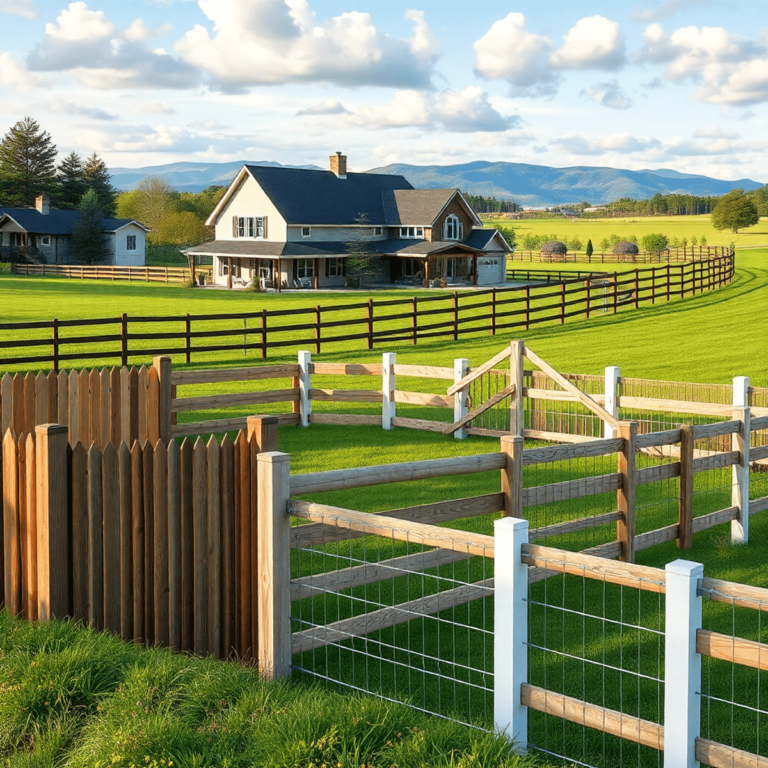
There are various types of fences, including solid fencing options like Featherboard, Lap Panel, and Hit and Miss Fencing; semi-solid panels and decorative styles; trellis fencing for climbing plants; alternative garden fencing types like Picket and Combination Fencing; natural screening solutions such as hazel and reed fencing; and noise reduction fencing options.
What are the benefits of Featherboard Fencing?
Featherboard Fencing offers excellent privacy and security features. It is also visually appealing but requires regular maintenance to keep it in good condition.
How can I choose the right materials for my fence?
Choosing the right materials involves considering factors like durability, weather resistance, and your budget. Common materials include wood, composite, and metal, each suitable for different fence types.
What should I consider regarding fence installation costs?
Installation costs can vary based on material choice, labor rates, and essential components required for a successful installation, such as wood versus concrete posts. It’s important to budget accordingly.
How can I maintain my fence to prolong its lifespan?
Maintenance needs vary by material. For instance, dip-treated vs pressure-treated wood requires different care. Regular inspections and treatments can significantly extend the lifespan of your fence.
Should I opt for DIY fence installation or hire a professional?
The decision between DIY installation and hiring professionals depends on your skill level and project complexity. If you choose to hire help, consider contacting local contractors who specialize in fencing for expert assistance.