

Introduction
Choosing the right fence for your property is a decision that can significantly impact both functionality and aesthetics. With so many different types of fences available, it’s crucial to select one that aligns with your specific needs, whether they be privacy, security, or decorative appeal. A well-chosen fence not only enhances the beauty of your landscape but also serves practical purposes, such as defining boundaries and protecting your space.
Various fence types offer distinct advantages. For instance:
- Solid Fencing: Provides excellent privacy and security, ideal for those looking to create a secluded sanctuary.
- Semi-Solid and Decorative Panels: Combine style with function, adding visual charm while allowing light and air to pass through.
- Natural Screening Options: Offer an eco-friendly way to blend your fencing with natural surroundings.
When considering the best types of fences, it’s important to evaluate factors such as maintenance requirements, durability, and cost-effectiveness. Whether you’re searching for a residential fence company near you or contemplating a DIY project, understanding these elements ensures that you make an informed decision tailored to your lifestyle and environment.
Incorporating natural screening options like wild rice can provide an eco-friendly solution that seamlessly blends with your landscape. This type of screening not only serves a functional purpose but also contributes positively to the environment by preventing issues such as eutrophication, which is caused by excessive nutrient enrichment in water bodies.
1. Solid Fencing Options
Featherboard Fencing
Featherboard fencing, also known as Closeboard or Feather Edge, is renowned for its robustness and privacy. It consists of overlapping vertical boards that provide a seamless, solid barrier, making it ideal for those seeking enhanced security. The height and density of the panels ensure minimal visibility through the fence, offering homeowners a sense of seclusion. To maintain its durability and aesthetic appeal, Featherboard fencing requires periodic staining or treatment to protect against weather elements and prolong its lifespan.
Lap Panel Fencing
Lap panel fencing presents an affordable solution for those prioritizing privacy without breaking the bank. These panels are constructed with horizontally overlapping timber slats, creating a sturdy structure. Although less durable than Featherboard due to potential gaps between slats, they are still effective in demarcating boundaries while offering moderate privacy. Care requirements include regular painting or staining to prevent warping and decay from exposure to moisture and sunlight.
Hit and Miss Fencing
Hit and Miss fencing stands out with its unique design that alternates boards on either side of the central rail. This arrangement not only adds visual appeal but also ensures a level of privacy by obstructing direct sightlines through the fence. The spacing allows wind to pass through, reducing pressure on the structure in windy areas. However, this feature can permit weeds to grow through gaps, necessitating occasional maintenance to preserve its neat appearance.
These solid fencing options cater to varying needs of homeowners, balancing considerations of security, cost-effectiveness, visual aesthetics, and maintenance requirements.
In addition to these traditional fencing options, homeowners may consider incorporating elements of [biodynamic agriculture](https://www.biodynamics.com/biodynamic-principles-and-practices) into their landscaping. This approach not only enhances the aesthetic appeal but also promotes environmental sustainability by fostering a healthy ecosystem in their gardens.
2. Semi-Solid and Decorative Panels
Venetian Panels: Contemporary Elegance
Venetian panels are a standout choice for those seeking to combine privacy with a sleek, modern aesthetic. These panels feature horizontal slats that provide a contemporary look while allowing light to filter through. This design not only adds visual interest but also creates an illusion of extended space, making it ideal for smaller gardens that benefit from an airy feel.
- Applications: Perfect for dividing sections within a garden or as a stylish backdrop to floral displays.
- Design Benefits: The horizontal alignment offers a minimalist appeal, complementing both traditional and modern garden designs.
Louvre and Metro Panels: Functionality Meets Style
For those who prioritize both form and function, Louvre and Metro panels are exceptional choices. These semi-solid fencing options allow for enhanced light penetration and air circulation, which is particularly beneficial in gardens where airflow is crucial.
- Louvre Panels: Characterized by their angled slats, these panels are designed to optimize sunlight exposure while maintaining a degree of privacy. Ideal for areas where plant growth needs encouragement through natural light.
- Metro Panels: Featuring more pronounced gaps between the slats, Metro panels allow greater airflow, reducing the risk of wind damage and creating comfortable microclimates in sheltered garden zones.
The integration of these semi-solid and decorative fencing styles into your landscape can significantly enhance your outdoor space’s functionality and aesthetic appeal. The thoughtful balance between privacy, light, and air makes them versatile additions suitable for various garden settings.
In contrast, if you’re looking for a more traditional approach that emphasizes aesthetics along with utility, you might want to consider elements from Persian gardens. These gardens have a rich historical development dating back to around 4000 BC and are known for their intricate design elements that prioritize aesthetics.
3. Exploring Trellis Fencing for Garden Enhancement
Trellis fencing offers a versatile solution for those looking to enhance their garden aesthetics while providing support for climbing plants. Available in a variety of styles, trellis fences can add both height and visual interest to any outdoor space.
Types of Trellis Styles
- Square Trellis: Characterized by its geometric, uniform grid pattern, square trellis fencing serves as an excellent backdrop for symmetrical plant growth. This style is particularly effective in modern gardens where clean lines are desired.
- Lattice Trellis: Featuring a diagonal or crisscross pattern, lattice trellis is ideal for encouraging plant coverage. Its open design allows plants such as roses and ivy to intertwine naturally, creating lush green walls that bring vibrancy and life to your garden.
- Diamond Trellis: Known for its decorative appeal, diamond trellis offers an elegant framework that enhances the visual texture of any garden area. The diamond-shaped openings provide plenty of room for climbing plants like clematis and jasmine to flourish.
Benefits of Trellis Fencing
- Support for Climbing Plants: Trellis fencing provides essential support structures for various climbing plants, promoting healthy growth and optimal coverage. By integrating a trellis fence into your garden design, you can create stunning vertical gardens that maximize space efficiency.
- Enhanced Aesthetics: Beyond functional benefits, trellis styles add a touch of sophistication and charm to outdoor environments. Whether used as standalone features or integrated with other fence types, they contribute to a cohesive garden aesthetic.
Trellis fencing stands out not only because of its ability to support plant life but also due to its transformative impact on the beauty and usability of garden spaces.
4. Alternative Garden Fencing Types to Consider
Exploring different types of fencing can greatly improve both the look and functionality of your garden. Among the options available, Picket Fences, Combination Fencing, and Composite Fencing stand out for their unique features and benefits.
Picket Fences
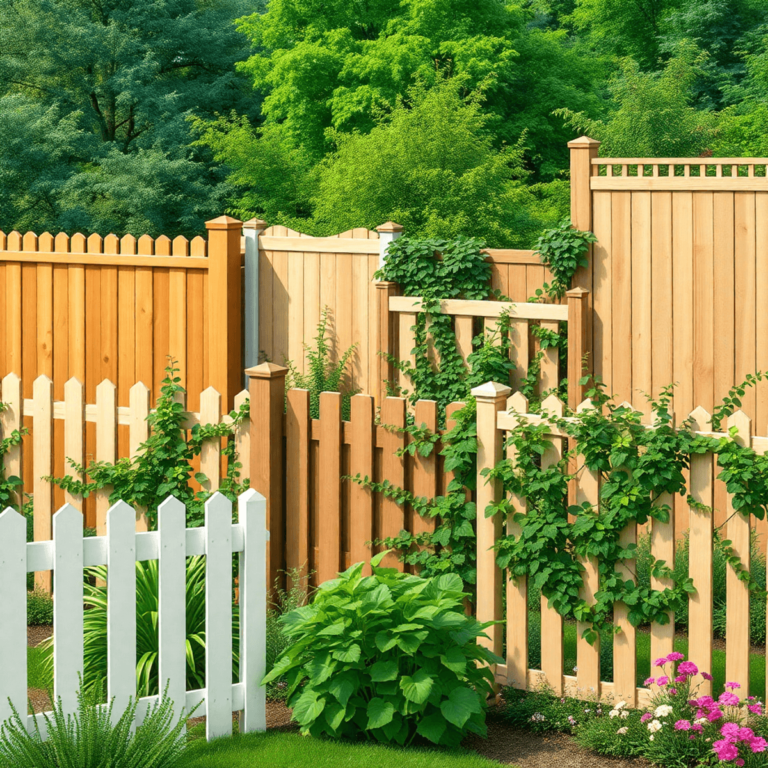
Picket fences are known for their classic charm and are perfect for front gardens. With their low height, they create an inviting appearance while still marking property boundaries. Although they don’t provide much privacy or security, their decorative nature makes them ideal for dividing areas within a garden or highlighting specific landscape features. The open design allows for clear views, making them a popular choice in neighborhoods where looks are more important than privacy.
Combination Fencing
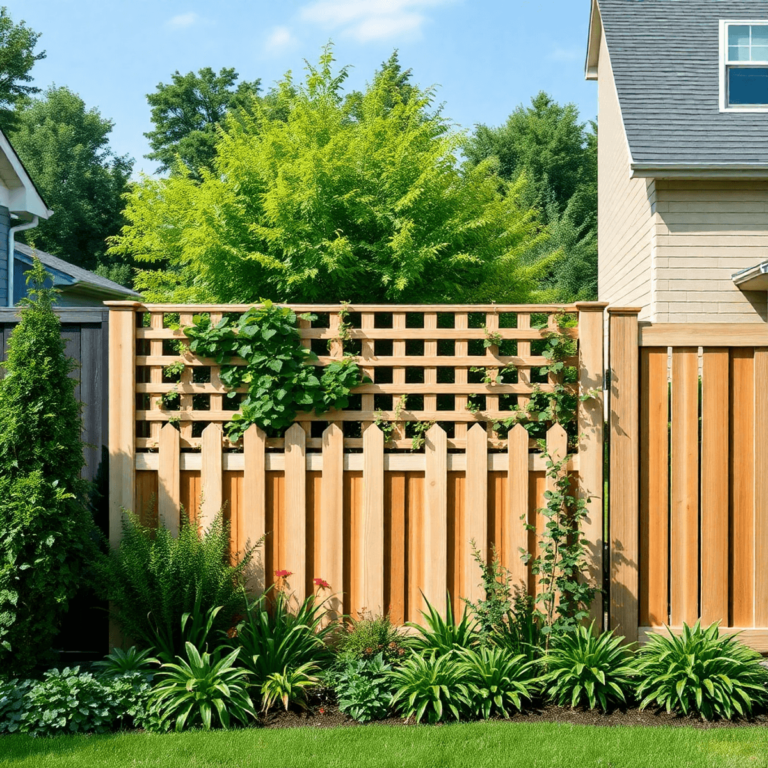
For those looking for something visually interesting and flexible, combination fencing offers an innovative solution by blending different styles and materials. This type of fencing often includes elements like lattice tops or trellis panels, which can be great for supporting climbing plants. The result is a dynamic fence that not only serves its purpose but also adds greenery and texture to your garden space. By mixing styles, combination fencing gives homeowners the freedom to customize their garden’s appearance while also meeting practical needs like privacy or wind protection.
Composite Fencing
Modern gardens benefit greatly from the durability and sustainability offered by composite fencing. Made from a blend of wood fibers and plastic, composite fences last a long time and require little maintenance compared to traditional wood fencing. They resist rot, insects, and weathering, making them an environmentally friendly choice that reduces the need for frequent replacements or treatments. Available in various finishes, composite fencing complements contemporary garden designs while providing a strong barrier against outside elements.
These alternative fencing options offer unique solutions tailored to different preferences and requirements in garden design. Whether prioritizing looks with picket fences, combining styles for visual interest, or opting for the sustainable durability of composite materials, there’s something perfect for every homeowner’s vision.
In addition to these fencing options, homeowners may also want to consider incorporating various garden styles such as the Cottage Garden known for its charming and diverse plant life. Alternatively, an Arboretum could serve as a beautiful addition with its collection of trees from various species. For those interested in biblical themes, a Biblical Garden could be cultivated with plants named in the scriptures. Lastly, if you’re looking to create a unique landscape feature, consider adding a Rock Garden, which has been popular in various cultures for centuries due to its aesthetic appeal and ability to support alpine plants.
5. Natural Screening Solutions for Privacy and Beauty
Natural screening options offer a harmonious blend of privacy and aesthetic appeal, creating an inviting atmosphere that complements any garden setting. Utilizing natural materials such as hazel hurdles and reed screening can transform your outdoor area into an idyllic retreat reminiscent of the English countryside.
Hazel Fencing
- Characteristics: Hazel fencing is crafted from woven hazel branches, providing a robust yet flexible barrier. These hurdles are traditionally handcrafted, adding a touch of rustic charm to gardens.
- Benefits: Hazel screening is not only visually appealing but also environmentally friendly, as it utilizes sustainable materials. This type of fencing naturally blends with garden landscapes, offering excellent privacy without appearing intrusive.
- Ideal Applications: Perfect for boundary demarcation or as a backdrop for flower beds, hazel hurdles can support climbing plants like clematis or honeysuckle, enhancing their natural beauty.
Reed Screening
- Characteristics: Reed screens are composed of thin reeds bound together to form lightweight panels. These screens provide a subtler visual barrier compared to more solid fencing options.
- Benefits: Reed screening offers a cost-effective solution for garden privacy while allowing some light penetration. Its natural appearance seamlessly integrates with garden environments, making it suitable for creating serene spaces.
- Ideal Applications: Ideal for temporary partitions or decorative accents in gardens and patios, reed screens can be used to cover unsightly walls or fences, providing an aesthetically pleasing facade.
Both hazel and reed screening serve dual purposes by enhancing garden aesthetics and maintaining privacy. Their natural composition ensures they complement various planting schemes, making them versatile choices for gardeners seeking sustainable and beautiful fence solutions.
However, it’s important to consider the broader environmental implications when sourcing these natural materials. Unsustainable practices can lead to deforestation, which has serious consequences including habitat destruction and biodiversity loss. Therefore, adopting sustainable practices in gardening and landscaping is crucial.
Furthermore, understanding land change science can provide valuable insights into how human activities have transformed nearly 50% of Earth’s non-ice land surface. This knowledge can guide us in making more informed decisions about our environmental impact.
In extreme cases, such unsustainable practices may contribute to desertification, which is a type of land degradation in drylands caused by overexploitation of soil and loss of vegetation. Hence, while we strive for beauty and privacy in our gardens with natural screening solutions, it’s equally important to ensure these practices are sustainable and environmentally friendly.
6. Noise Reduction Fencing: A Solution for Peaceful Living Spaces
In busy cities and places with heavy traffic, noise pollution is a constant problem. Noise reduction fencing is a smart way to reduce this noise and create a peaceful environment, improving our overall quality of life.
How Noise Reduction Fencing Works
Noise reduction fences work by disrupting sound waves, either by reflecting them back towards the source or absorbing them to minimize transmission. The design often incorporates dense materials and layered construction to optimize acoustic insulation. One exemplary product in this category is the Forest Decibel Panel, renowned for its efficiency in diminishing noise levels by up to 30dB.
- Material Composition: These panels typically consist of timber layers bonded with sound-absorbing materials such as mineral wool or specialized foams.
- Design Aspects: Height and density are critical; taller fences with minimal gaps perform better at blocking sound.
Benefits in Urban Homes or High-Traffic Areas
For people living in cities or near busy roads, noise reduction fencing offers several advantages:
- Enhanced Privacy: By reducing external noise, these fences provide a more secluded environment.
- Increased Property Value: The added peace and quiet can make properties more appealing to potential buyers.
- Improved Well-being: A quieter home fosters a better living environment, contributing positively to mental health and stress reduction.
Using noise reduction solutions like the Forest Decibel Panel provides practical benefits for homeowners looking for peace amidst the hustle and bustle of city life. This thoughtful addition not only enhances comfort but also complements existing privacy measures, combining function with beauty.
However, it’s important to note that the effectiveness of noise reduction fencing isn’t limited to urban settings alone. In fact, rural areas can also benefit significantly from such installations. These areas often experience their own unique set of noise challenges, such as those from nearby highways or railways. Therefore, noise reduction fencing serves as a versatile solution, providing peaceful living spaces regardless of the geographical location.
Choosing the Right Materials & Quality Considerations for Your Fence
Selecting the appropriate materials for your fence is crucial to ensure both functionality and longevity. Various options are available, each with distinct characteristics that cater to different preferences and needs.
Wood Fencing
Wood remains a popular choice due to its natural aesthetic and versatility. Pressure treated timber is highly recommended as it offers enhanced durability by resisting decay and insect damage, making it ideal for long-term use. Regular maintenance, such as staining or sealing, can prolong its lifespan while retaining its visual appeal. However, it’s essential to also consider pest control measures to protect the wood from potential infestations.
Composite Fencing
For those seeking a modern alternative, composite fencing provides an excellent blend of durability and low maintenance. Made from a combination of wood fibers and plastic, composite fences offer the appearance of wood without the susceptibility to rot or warping. This material is also eco-friendly, often utilizing recycled materials in its production.
Metal Fencing
Metal options, including steel, aluminum, and Corten, are known for their strength and minimal upkeep requirements. Steel offers robust security but can be heavier and more costly; powder-coated aluminum provides a lightweight yet durable solution with various color choices. Corten steel presents a unique aesthetic with its weathered surface finish.
Key Considerations
- Durability: Opting for quality materials ensures that your fence withstands environmental challenges like moisture, pests, and fluctuating temperatures.
- Weather Resistance: Particularly important for wood options like pressure treated timber; ensures longevity in diverse climates.
Investing in quality materials not only enhances the functional lifespan of your fence but also contributes significantly to maintaining its structural integrity and aesthetic appeal over time. Additionally, incorporating tools such as a harrow during the installation process can significantly improve the soil structure around your fence posts, further enhancing stability and longevity.
Installation Considerations: What You Need to Know Before Getting Started
Understanding the nuances of fence installation costs is crucial when planning your fencing project. The total cost can be influenced by several key factors:
1. Material Choice
Opting for different materials such as wood, composite, or metal will directly impact the budget. Each material offers distinct benefits in terms of aesthetics, durability, and maintenance requirements. For instance, if you choose wood, it’s important to be aware of maintaining different types of fences, as wood requires regular upkeep.
2. Labor Costs
Hiring professionals for fence installation generally incurs higher costs compared to a DIY approach. However, professional installation often ensures quality and longevity.
When considering posts and accessories, selecting the appropriate components is essential for a sturdy and lasting fence.
Key Components:
- Wood Posts: These offer a natural aesthetic and are often pressure-treated to resist rot and decay. Regular maintenance is necessary to prolong their lifespan.
- Concrete Posts: Known for their strength and durability, concrete posts provide a solid foundation, especially in areas with high wind exposure. Although more expensive than wood posts, they require less frequent replacement.
- Galvanized Steel Posts: These posts offer resistance against rust and are preferable for those seeking low-maintenance options.
Accessories:
- Gravel Boards: Integral for protecting the base of wooden panels from dampness.
- Post Caps & Finials: Not only decorative but also serve to protect the post against moisture ingress.
Analyzing these factors allows for a comprehensive understanding of what constitutes an effective fence installation. By considering both material and labor costs alongside essential components like posts and accessories, you can ensure your fencing project is both aesthetically pleasing and structurally sound.
Additionally, if you’re also interested in landscaping or gardening alongside your fencing project, you might want to consider some organic horticulture techniques that could complement your outdoor space beautifully.
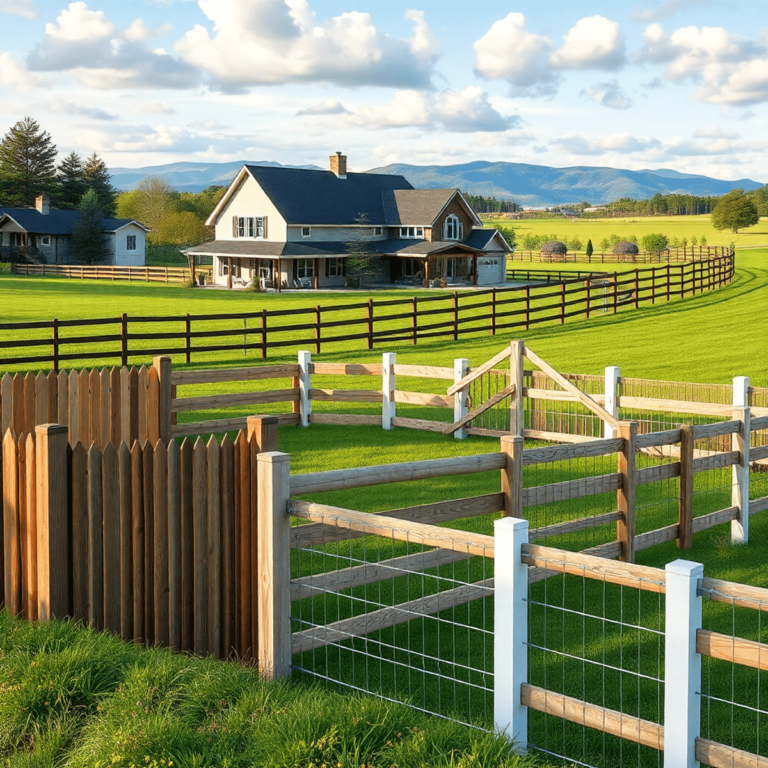
If you’re planning to install a fence specifically for horses, it’s worth exploring some specialized fencing options for horses. Furthermore, when it comes to setting fence posts, you might find it beneficial to read up on whether to set fence posts in dirt, gravel, crushed rock or concrete for optimal results.
Maintenance Tips to Prolong the Lifespan of Your Fence
Proper maintenance of fences is crucial for ensuring their longevity and effectiveness. Different materials require specific care strategies, so understanding the distinctions between treatment options is essential.
Treatment Options for Longevity
1. Dip-Treated Fencing
This type of treatment applies a surface-level coating that offers protection against moisture and decay. However, it requires annual reapplications to maintain effectiveness. To enhance durability, consider using gravel boards to keep the panels off the ground and protect them from dampness.
2. Pressure-Treated Fencing
Unlike dip-treated options, pressure-treated fences integrate preservatives deep into the wood fibers, providing longer-lasting protection without frequent reapplications. These fences typically exhibit a lighter or greenish hue upon installation. Although gravel boards are not strictly necessary, they offer additional protection and can enhance the fence’s overall appearance.
Extending Your Fence’s Lifespan
Regular upkeep is vital to prolonging your fence’s life. Consider implementing these practical tips:
- Routine Inspections: Regularly inspect your fence for signs of damage or wear. Look for loose panels, rotting wood, and signs of pest infestation.
- Cleaning: Keep your fence clean by removing dirt, mold, and mildew with a gentle wash. A mixture of water and mild detergent can be effective in maintaining its appearance.
- Painting/Staining: Reapply paint or stain every few years to protect against weathering and maintain aesthetic appeal. Ensure that you choose products compatible with your fence’s material.
- Repair Damage Promptly: Address any damages immediately to prevent further deterioration. Replace broken panels, tighten loose screws or nails, and fix leaning posts quickly.
Investing time in proper maintenance will help preserve the functionality and beauty of your fencing solution while safeguarding your investment for years to come.
DIY vs Professional Installation: Which Option is Right For You?
When it comes to installing a fence, deciding between a DIY approach and hiring a professional can significantly impact not only the cost but also the quality and longevity of your fencing project. Each option has its own set of advantages and challenges.
DIY Fence Installation
Pros:
- Cost-effective: One of the primary benefits of DIY installation is cost savings. By eliminating labor costs, you can allocate more of your budget towards higher-quality materials.
- Flexible Schedule: You have the freedom to work at your own pace without being bound by the availability of contractors.
- Personal Satisfaction: Completing a project with your own hands can be incredibly rewarding and provides a sense of accomplishment.
Cons:
- Skill Level Required: Installing a fence requires specific skills and tools. Mistakes can lead to structural issues, reducing the fence’s effectiveness and lifespan.
- Time-consuming: A DIY project can take longer than expected, especially if you are unfamiliar with the process.
- Potential for Errors: Without professional guidance, there is an increased risk of errors that could lead to additional costs for repairs.
Professional Fence Installation
Pros:
- Expertise and Experience: Professionals bring years of experience and specialized knowledge, ensuring that the installation is done right the first time.
- Efficiency: With access to advanced tools and techniques, professionals can complete the job faster than most DIYers.
- Warranty and Support: Many professional services offer warranties on their work, providing peace of mind regarding future repairs or adjustments.
Cons:
- Higher Initial Cost: Hiring professionals generally involves higher upfront costs due to labor charges.
- Scheduling Constraints: You may need to adjust your timeline based on contractor availability.
For those considering professional help, platforms like Checkatrade.com offer recommendations for local expert contractors. Whether you choose to go DIY or hire professionals, resources such as DIY fence installation guides are invaluable for understanding both approaches.
Our Final Thoughts on Choosing the Right Fence Type For Your Needs
Selecting the perfect fence from the many different types of fences available can greatly improve the security and privacy of your property, as well as its appearance. Each fencing option—from solid to semi-solid, decorative, and natural screening—has its own benefits designed for specific needs.
- Solid Fencing: Ideal for privacy and security.
- Semi-Solid & Decorative Panels: Perfect for those seeking style with functionality.
- Trellis and Natural Screening: Enhance garden beauty while supporting plant growth.
- Noise Reduction Options: A practical choice for urban living or high-traffic areas.
Each type of fence has its own features that cater to different preferences and functional requirements. Assessing your priorities—whether it be privacy, aesthetic appeal, durability, or environmental impact—will help you make an informed decision.
For those interested in agricultural fencing solutions, such as those provided by the Daedong company, or require personalized guidance, we encourage you to reach out. Our expertise ensures that you will receive advice tailored to your specific circumstances.
Additionally, if you’re considering using your land for agricultural purposes and need advice on suitable crops like maize or fodder, our team is well-equipped to assist you.
“The right fence not only protects but also complements the landscape it surrounds.”
Feel free to contact us for expert advice on agricultural fencing solutions that align with your objectives.
FAQs (Frequently Asked Questions)
What are the best types of fences for residential properties?
The best types of fences for residential properties include solid options like Featherboard, Lap Panel, and Hit and Miss Fencing, each offering unique benefits such as privacy, affordability, and visual appeal.
How does noise reduction fencing work?
Noise reduction fencing functions by using dense materials that absorb sound waves, significantly reducing noise pollution in urban homes or high-traffic areas, providing a more peaceful living environment.
What maintenance is required for different types of fences?
Maintenance requirements vary by material; for instance, dip-treated wood may need annual treatment while pressure-treated wood offers longer-lasting protection. Regular upkeep is essential to prolong the lifespan of your fence.
What are the advantages of using composite fencing?
Composite fencing is known for its durability and environmental benefits. It combines recycled materials with wood fibers to create a modern choice that resists weathering and lasts longer than traditional wood fencing.
Should I choose DIY installation or hire a professional for my fence?
Choosing between DIY installation and hiring a professional depends on your skill level and project complexity. DIY can save costs but may require significant time and effort. Hiring professionals ensures quality installation but comes at an additional cost.
What types of natural screening options are available for gardens?
Natural screening options include hazel hurdles and reed screening. These materials create an English country garden feel while providing privacy and enhancing the aesthetic appeal of your outdoor space.