

Introduction
For a UK farmer, cutting hedges is not just about maintaining a tidy field perimeter. It’s an integral part of managing the land and promoting sustainable agriculture. This article will delve into everything you need to know about this practice, from its benefits to the regulations surrounding it.
Hedgerows, or rows of hedges, are a common sight in the UK agricultural landscape. Far from being mere field boundaries, these vegetation lines hold significant ecological value. They serve as habitats for diverse plant species and wildlife, contributing to the biodiversity of the area.
Crucially, hedgerows play a key role in mitigating climate change. They store and sequester carbon dioxide, reducing greenhouse gas emissions. They also offer practical benefits for farmers such as soil moisture regulation and protection against wind damage.
Despite their importance, managing hedgerows requires careful consideration due to the complex regulations in place. These rules are designed to protect the ecological function of hedgerows while allowing farmers to maintain their land effectively.
In this article, we will explore these regulations and best practices for hedge cutting in the UK. We’ll also discuss how innovative farmers can make use of well-maintained hedgerows for more sustainable and productive farming.
Benefits of Maintaining Hedgerows on Farmland
As UK farmers continue to cultivate the land, the traditional hedgerows that crisscross the countryside offer more than just aesthetic appeal. These living barriers are integral to sustainable agriculture, providing a multitude of ecological benefits. Among these, their role in carbon storage and sequestration is particularly significant in the combat against climate change.
Carbon Storage and Sequestration Functions of Hedgerows
Hedgerows are remarkable for their ability to capture and store carbon dioxide (CO2), a greenhouse gas implicated in global warming. Through the process of photosynthesis, plants within hedgerows absorb CO2 from the atmosphere and convert it into organic carbon, which is stored in their biomass and soil.
Key Findings from Research:
- Studies indicate hedgerows in the UK have a substantial capacity for carbon sequestration. According to research, they can store up to several tonnes of CO2 per hectare.
- The dense structure and perennial nature of hedgerows make them more effective at storing carbon in comparison to certain annual crops.
- Beyond merely capturing CO2, hedgerows also enhance soil carbon levels. Their extensive root systems contribute organic matter to the soil when they shed leaves and roots, which decomposes into humus—a stable form of soil carbon.
The benefits extend beyond individual fields. When considering hedgerows’ impact on a national scale, their contribution to the UK’s efforts for mitigating climate change becomes even more apparent:
- The UK government’s Environmental Improvement Plan sets ambitious goals for creating and restoring significant lengths of hedgerows by 2037 and 2050—emphasizing their importance in national carbon reduction strategies.
- Initiatives such as the Countryside Stewardship scheme recognize and support the role of hedgerows in carbon sequestration by funding management practices that maximize this function.
Practical Implications for Farmers
For UK farmers looking to harness these benefits:
- Rotational Cutting: Implementing rotational cutting schedules can maintain hedge vitality while optimizing their carbon storage capabilities.
- Soil Health: Hedgerow management contributes to overall soil health by increasing organic content, thus sequestering more carbon over time.
- Biodiversity Support: Diverse plant species within hedgerows not only capture more carbon but also support a wider range of wildlife, creating a healthier ecosystem overall.
Policy Considerations
Given these findings, policy decisions around hedge management take on greater significance:
- The consultation on hedgerow protections reflects growing recognition of their environmental value. By proposing measures like 2m buffer strips or restrictions on cutting during bird nesting season, policymakers aim to balance agricultural needs with ecological sustainability.
- Financial incentives through schemes like Sustainable Farming Incentive (SFI) are designed to encourage farmers to adopt practices that maximize hedgerow benefits including those related to carbon storage.
Perspectives from Industry Professionals
Insights from professionals underscore the importance of proper hedge maintenance:
- Contractors like Andrew Saville advocate for regular trimming rather than leaving hedges uncut for extended periods, noting that this supports both bird nesting opportunities and reduces stress on machinery used for cutting.
- Experienced trimmers such as Michael Tomlinson propose annual tight cuts as this promotes better conditions for bird nesting while maintaining hedge health.
Farmers engaging with hedgerow management not only contribute positively towards combating climate change but also reap rewards in terms of biodiversity enhancement and farm productivity. As such, understanding and implementing best practices around hedgerow care become essential components of responsible land stewardship for UK farmers.
Enhancing Biodiversity and Supporting Natural Ecosystems
Hedgerows are more than just barriers or borders for farming – they are thriving ecosystems full of life. With their wide variety of plant species, hedgerows act as a safe haven for many different organisms and play a crucial role in improving biodiversity on farmland.
The Importance of Pollinators
As a UK farmer, you may have noticed how these green corridors attract a wide range of helpful insects. These insects, including bees and butterflies, are essential for crop productivity. They play a crucial role in transferring pollen between flowering plants, which is necessary for plant reproduction and increasing your crop yields.
Studies have shown that an increase in pollinator activity can enhance crop yield by up to 24%.
Recognizing the Value of Hedgerows: Countryside Stewardship Scheme
The Countryside Stewardship scheme is an example of an initiative in the UK that acknowledges this important relationship. With over 49,000 miles of hedgerows managed under this scheme, it provides financial support to farmers for maintaining these valuable habitats.
Diverse Wildlife in Hedgerows
But it’s not just the small creatures that benefit from hedgerows. These dense thickets also serve as homes for various wildlife species. From birds and bats to small mammals and amphibians, hedgerows provide nesting sites, sources of food, and safe pathways across open fields.
For example, let’s consider the hedgehog – a familiar sight in UK hedgerows. Hedgehogs feed on pests like slugs and beetles, offering natural pest control for farmers. However, their population numbers are declining due to loss of habitat. By taking care of healthy hedgerows on your farmland, you are contributing to conservation efforts aimed at protecting these helpful creatures.
Ecological Connections through Hedgerows
Another important role of hedgerows is their function as ecological connectors. They connect isolated habitats together, allowing wildlife to move freely across landscapes without having to cross dangerous open fields. This connectivity is crucial for maintaining healthy populations of various species.
Ways Hedgerows Support Biodiversity
Here are some specific ways in which hedgerows contribute to enhancing biodiversity:
- Habitat Creation: Hedgerows provide shelter and breeding grounds for numerous species.
- Food Source: They offer a wide range of food options, including leaves, berries, insects, and small mammals.
- Wildlife Corridors: Hedgerows act as “wildlife highways,” enabling safe movement across farmland for animals.
Encouraging Pollinators
To further enhance the benefits of hedgerows on your farmland, you can take steps to specifically encourage pollinators. Creating a favorable environment for bees, butterflies, and other pollinating insects can significantly improve crop yields and overall biodiversity.
In summary, well-maintained hedgerows are valuable resources for farmers. They not only improve productivity through pollination and natural pest control but also promote sustainability by supporting diverse ecosystems. So, the next time
3. Managing Soil Moisture with Hedgerow Systems
Hedgerows are incredibly valuable to UK farmers for more than just storing carbon and reducing greenhouse gas emissions. They also have a significant impact on managing soil moisture, making them an essential part of sustainable agriculture.
How Hedgerows Help Manage Soil Moisture
Hedgerows play a crucial role in maintaining the right amount of water in agricultural fields. Here’s how they do it:
1. Regulating Water Flow
Hedgerows are effective in controlling the flow of water, especially during heavy rainfall. Instead of rushing off the surface and causing erosion, they slow down the movement of water and allow it to soak into the ground. This helps prevent soil erosion and keeps the soil intact. The main ways hedgerows regulate water flow are:
- Interception of Runoff: The dense vegetation of hedgerows acts as a barrier, slowing down the flow of water and giving it more time to seep into the soil.
- Improving Soil Structure: The roots of hedgerow plants create small spaces in the soil, making it easier for water to penetrate and be stored.
- Reducing Erosion: The strong root systems of hedgerows hold the soil in place, preventing it from being washed away by wind or water.
2. Preventing Waterlogging
Waterlogging is when an area becomes saturated with water, leading to poor drainage and lack of oxygen for plant roots. Hedgerows help prevent waterlogging by acting as semi-permeable barriers that distribute water evenly across the field. This ensures that no one area becomes overwhelmed with excess water, protecting crop roots and maintaining healthy soil conditions.
Practical Tips for Managing Soil Moisture with Hedgerows
UK farmers can make the most out of hedgerows for soil moisture management through these practical strategies:
- Strategic Planting: Place hedgerows along slopes or at the edges of fields where water runoff is likely to occur.
- Choosing the Right Plants: Select plant species with deep roots to improve water infiltration and storage in the soil.
- Regular Maintenance: Use rotational cutting methods to encourage denser growth and enhance the water-catching abilities of hedgerows.
By implementing these techniques into their farming practices, farmers can fully utilize the benefits of hedgerows in maintaining productive and resilient farmlands.
The Importance of Hedgerows Beyond Farms
Hedgerows have a broader impact on the environment beyond individual fields. They play a crucial role in managing water resources at a larger scale:
- Flood Prevention: By slowing down the flow of water, hedgerows help reduce the risk of flooding downstream during heavy rain events. This study provides further insights into how hedgerows contribute to flood prevention.
- Water Filtration: The vegetation in hedgerows acts as a natural filter, removing pollutants from water as it passes through. This filtration process is vital for maintaining healthy water systems within rural landscapes.
- Wildlife Habitat: Hedgerows provide shelter and food sources for various species, contributing to biodiversity conservation. This comprehensive [resource](https://catchment
How Windbreaks Benefit Crops: Increased Yield and Quality
Farmers in the UK are no strangers to the country’s harsh and unpredictable weather. To combat these challenges, they have found a powerful solution: using hedgerows as windbreaks. These well-established hedges act as strong barriers, protecting crops from damaging winds that can:
- Physically harm plants
- Disrupt pollination
- Speed up soil moisture loss through evaporation
How Hedgerows Work as Windbreaks
Here’s a closer look at the specific ways in which hedgerows benefit crops:
1. Protection Against Physical Damage
Tall and dense hedges absorb the energy of the wind, reducing its speed significantly behind them. This helps prevent delicate crops from being damaged or even uprooted during storms.
2. Improved Pollination
By buffering gusty conditions, hedgerows ensure that beneficial insects such as bees can pollinate crops more effectively. This leads to better fruit set and seed production.
3. Moisture Retention
Slowing down wind speeds helps reduce the rate at which soil moisture evaporates. This is especially crucial during dry periods, as it ensures that crops stay hydrated and free from stress.
4. Creation of a Favorable Microclimate
The presence of a hedge can change the microclimate (local climate conditions) of the nearby field. This altered environment often has higher humidity levels and milder temperatures, which are ideal for crop growth.
The Impact on Crop Yield and Quality
Research has shown that fields with hedges alongside them tend to have higher yields and better crop quality compared to those without such natural barriers.
For instance, a study by the Agriculture and Horticulture Development Board (AHDB) in the UK found that cereal crops protected by hedgerows experience less wind damage and potentially achieve higher yields.
Real-Life Examples: How Hedgerows Have Helped Farmers
Let’s take a look at a couple of case studies and experiences shared by farmers who have implemented hedgerows as windbreaks:
- In East Anglia, a case study revealed that potato crops sheltered by hedgerows had significantly fewer instances of ‘greening’ caused by exposure to wind-borne soil particles.
- In West Sussex, a berry farmer reported an increase in both yield and quality when his plants were protected by a mature hedgerow acting as a windbreak.
Practical Tips for UK Farmers: Making the Most of Windbreaks
If you’re a farmer in the UK considering the use of hedgerows as windbreaks, here are some key factors to keep in mind:
- Hedge Orientation: Align your hedges perpendicular to the prevailing winds for maximum effectiveness.
- Species Selection: Choose native species with dense foliage like Hawthorn or Blackthorn. These types of hedges provide excellent windbreak capabilities while also supporting local biodiversity.
- Maintenance Practices: Regularly trim your hedges to encourage denser growth at lower heights. This can make them more effective at disrupting wind flow closer to the ground level where most crops are situated.
The Environmental Benefits of Hedgerows
The sustainable management of hedgerows doesn’t just benefit farmers—it also plays a crucial role in addressing environmental challenges:
- Carbon Sequestration: As living structures, hedges capture and store carbon dioxide through photosynthesis. This helps mitigate climate change—an urgent global concern.
- Biodiversity Support: Hedgerows provide habitats for various wildlife species, including birds, insects, and small mammals. They serve as important corridors for movement and contribute to overall ecosystem health.
By incorporating hedgerows into their farm landscapes, UK farmers can:
- Improve their crop yield and quality
- Enhance biodiversity on their farms
- Contribute to climate change mitigation efforts
Hedgerows represent a harmonious blend of agricultural productivity and environmental stewardship—a practice where traditional farming techniques align seamlessly with modern sustainability goals.
Reducing Pesticide Drift through Hedgerow Buffering
Hedgerows have an important role in reducing pesticide drift in farming areas. Pesticide drift happens when pesticides spread unintentionally beyond their target area because of the wind. This not only makes pest control less effective but also poses risks to non-target organisms and nearby ecosystems.
How Hedgerows Reduce Pesticide Drift
Hedgerows can act as natural barriers against pesticide drift because of their dense foliage and strong structure. They can intercept airborne pesticides, stopping them from moving into other fields or bodies of water. This ensures that the pesticides stay where they’re supposed to be, working best and causing less harm to the environment.
The Impact of Hedgerows on Spray Drift
Let’s say a farmer sprays pesticides on a crop field. Without anything to block it, strong winds can easily carry these tiny droplets away from the field – this is called spray drift. But if there’s a solid hedgerow around the field, it can act as a shield against the wind and significantly reduce this spray drift issue.
The Potential of Hedgerows in Sustainable Farming
Research studies have shown that hedges can reduce up to 40% of pesticide drift under certain conditions[1]. This highlights how hedgerows can be an effective tool for sustainable farming practices.
Importance of Healthy and Well-Managed Hedgerows
For hedgerows to effectively reduce pesticide drift, they need to be in good condition:
- Thick and Tall: A dense and tall hedgerow is more likely to stop pesticide movement compared to one that is sparse or poorly maintained.
- Regular Maintenance: Activities like pruning and trimming are necessary to keep hedgerows healthy and dense.
Considering Wind Directions for Maximum Effectiveness
Farmers should also think about where and how they plant hedgerows based on the direction of the prevailing winds. This will help optimize their ability to prevent pesticide drift.
Benefits for UK Farmers
In the UK, where pesticide use is common in farming, using hedgerows as natural barriers can be beneficial in multiple ways:
- Supporting sustainable farming practices
- Following environmental regulations related to pesticide use
By understanding and utilizing these benefits, farmers in the UK can make significant progress towards their productivity and sustainability goals.
Understanding Hedge Cutting Regulations in the UK
Navigating the intricate rules of hedge cutting regulations can be a daunting task for any UK farmer. It’s not just about maintaining the aesthetics of your farmland, but also about respecting the ecological balance that hedgerows provide. This section will dive into the concept of hedge cutting seasons and the general restrictions in place across the UK.
Hedge Cutting Seasons and General Restrictions
Let’s begin by understanding what we mean by hedge cutting seasons. This refers to specific periods in the year when farmers are allowed to cut or trim their hedges. The main hedge cutting season generally runs from 1st September to 28th February. However, there are certain exceptions under which farmers can apply for derogation, allowing hedge/tree cutting or trimming throughout August for oilseed rape and temporary grassland sowing.
Why such specific timeframes? These regulations are designed with conservation efforts in mind, particularly for protecting bird species during their nesting season.
During spring and summer, birds use hedgerows as safe havens to build nests and raise their young. Cutting hedges during this period could disturb nesting birds or cause damage to their nests, which is illegal under the Wildlife and Countryside Act 1981. By limiting hedge cutting activities to late summer and winter, we minimize the risk of harming these feathered residents.
In addition to birds, many other species of wildlife rely on hedgerows for shelter and food sources. The rich biodiversity found within these hedges is part of what makes our agricultural landscapes so vibrant and ecologically valuable.
Farmers play a significant role in preserving this biodiversity. As stewards of the land, it is essential that they adhere to these regulations not just out of legal obligation but also out of respect for nature’s cycles.
It’s also worth noting that these restrictions do not apply to all cases. There are specific exceptions to the hedge cutting dates, such as:
- Overhanging hedges obstructing public or private rights of way
- Dead, diseased, damaged or insecurely rooted hedges causing danger
- Hedge-laying or coppicing during 1st March to 30th April
However, these exceptions should be treated as just that – exceptions – and not a regular practice.
In essence, understanding and following these regulations is a testament to a farmer’s commitment to sustainable land management practices. By respecting the hedge cutting seasons and general restrictions, we contribute to ongoing wildlife conservation efforts while also reaping the many benefits that healthy hedgerows offer our agricultural ecosystems.
Farmers must familiarize themselves with these regulations and make informed decisions when it comes to maintaining their hedgerows. In the next section, we will delve further into other aspects of hedge cutting regulations in the UK, including considerations for protected species and nesting birds, as well as guidelines for maintaining roadside hedges for safety purposes.
Protected Species and Nesting Birds Considerations
When farmers in the UK cut hedges, they must follow a complex set of laws to protect wildlife. These laws exist at both national and regional levels and dictate when and how hedgerows can be maintained. It is important for farmers to understand these regulations so that they can comply with the law and preserve the ecological benefits provided by hedgerows.
During hedge cutting seasons and in general, there are restrictions in place in the UK to protect nesting birds. One of the main pieces of legislation safeguarding wild birds is the Wildlife and Countryside Act 1981. According to this act, it is illegal to intentionally disturb or destroy the nest of any wild bird while it is being used or built. As a result, hedge cutting activities are greatly limited during the primary nesting season from March to August.
Bird Species of Special Attention:
- Blackbird
- Song Thrush
- Barn Owl
- Hedge Sparrow
These are just a few examples of bird species commonly found in UK hedgerows that farmers must be careful of when cutting hedges.
Practical Guidance for Farmers:
To reduce the chances of disturbing nesting birds:
- Regular Observation: Before cutting hedges, regularly check them for any signs of nesting activity.
- Nesting Signs: Look out for obvious signs that birds are nesting, such as seeing them carry nesting material or food to a specific spot.
- Timing: Whenever possible, schedule hedge cutting outside of the main breeding seasons.
- Professional Advice: If you are unsure whether there are active nests in your hedgerows, seek guidance from a qualified ecologist before proceeding.
- Buffer Zones: Identify nests and create areas around them where no cutting will happen until the young birds have left.
By following these practices, farmers not only fulfill their legal obligations but also contribute to conservation by maintaining wildlife-friendly habitats on their land. This balance between farming and protecting the environment is crucial for preserving biodiversity throughout the UK.
The connection between agricultural productivity and environmental conservation continues as we explore other aspects of hedgerow management, such as maintaining roadside hedges for safety reasons.
Maintaining Roadside Hedges for Safety Purposes
Roadside hedges play two important roles in the UK’s agricultural landscape. They support biodiversity and help with carbon storage, while also making sure that drivers and pedestrians can see clearly and stay safe.
Balancing Regulations for Hedge Cutting
The UK has specific rules about cutting hedges to balance their ecological benefits with public safety. Farmers need to know these regulations well so they can follow them while still keeping their hedges healthy and functional.
Why Roadside Hedges Need to Be Managed
Farmers are responsible for keeping roadside hedges from blocking sidewalks, footpaths, or roads. When hedges grow too tall or wide, they can block the view for drivers and become a potential danger. Trimming hedges regularly is usually necessary to maintain clear sightlines and ensure everyone’s safety.
Key Points to Understand
Here are some important things farmers should know about managing roadside hedges:
- Cutting Season: Hedge cutting seasons are set up to protect wildlife habitats. But there are times when public safety is more important. If branches or leaves from a hedge make it hard to see on a public path, they can be trimmed outside of the usual cutting season.
- Different Laws: The rules about hedge cutting can be different depending on where you are in the UK. For example, in England and Wales, farmers can ask for special permission to trim hedges during March and April under certain conditions. It’s crucial for farmers to check local guidelines often so they know if anything has changed.
- Getting Permission: Sometimes it might be necessary to get approval before doing maintenance work on roadside hedges. This could mean talking to local authorities or environmental agencies first.
Effective Techniques for Managing Roadside Hedges
Farmers have several methods they can use to take care of roadside hedges properly:
- Regular Pruning: Keeping up with maintenance on a regular basis helps control how hedges grow and lowers the chance of them blocking anything. This might mean cutting back branches that hang over paths or roads.
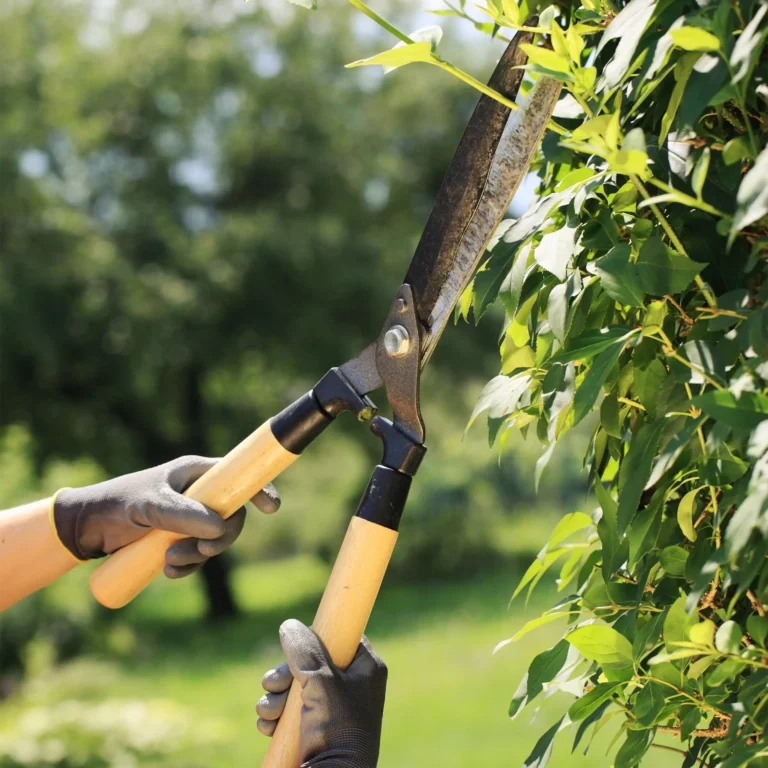
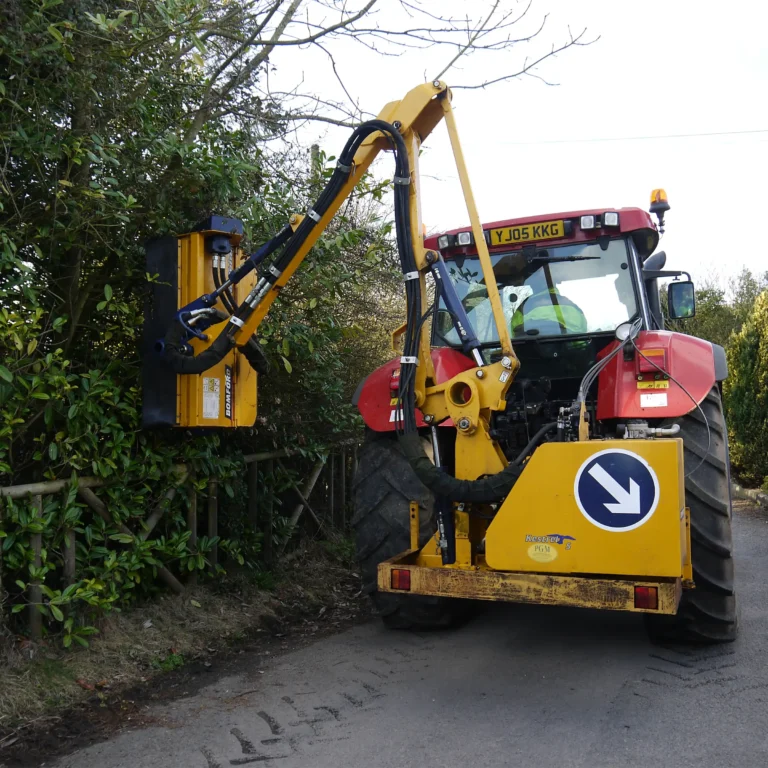
- Safe Trimming Methods: Using the right tools and equipment can make hedge cutting safer. Farmers can consider using pruners with long handles or powered hedge cutters.
- Getting Professional Help: If farmers aren’t sure about how to trim hedges safely and according to the rules, they can ask for help from experts. These professionals have the knowledge and experience needed to handle more complicated or large-scale hedge trimming tasks.
By knowing and following these rules, farmers in the UK can take care of their hedges in a way that helps both the environment and public safety.
Seeking Exemptions and Good Agricultural Practice for Hedge Cutting
As a UK farmer, you might find yourself in situations where hedge cutting becomes necessary outside the standard seasons. This could be due to risks such as obstructing visibility on public pathways or issues affecting crop health. In these cases, you can apply for specific exemptions. The key is understanding the application process and ensuring that you have valid reasons supported by evidence.
Applying for Exemptions
To apply for an exemption for hedge cutting, follow these steps:
- Identify the Reason: Determine the exact reason why you need an exemption. Valid reasons may include public safety concerns or prevention of harm to agricultural land or crops.
- Gather Evidence: Collect any evidence that supports your application. This might include photographs of the area, records of previous maintenance, or expert assessments illustrating the necessity of hedge cutting.
- Contact Authorities: Reach out to the relevant local authority or government body responsible for hedgerow regulations. In England, this is usually the Rural Payments Agency (RPA).
- Submit Application: Complete any required forms with detailed information about your situation and include your supporting evidence.
- Wait for Approval: After submission, there will be a review period during which your application is evaluated based on its merits and adherence to conservation principles.
Remember, exemptions are not granted lightly and must align with conservation goals.
Good Agricultural Practice in Hedge Maintenance
When performing routine hedge maintenance within legal allowances, it’s crucial to adhere to good agricultural practice principles:
- Minimize Disturbance: Use techniques that cause minimal disturbance to wildlife habitats. This might mean avoiding cutting during peak breeding seasons or using hand tools rather than heavy machinery in sensitive areas.
- Rejuvenate Overgrown Hedges Gradually: For overgrown hedges, plan a gradual rejuvenation rather than drastic cuts. This approach encourages regrowth and maintains habitat continuity.
- Promote Biodiversity: Where possible, plant a diverse range of native species within hedgerows to promote biodiversity and strengthen ecosystems.
- Record Keeping: Maintain records of all hedge maintenance activities. Documentation helps demonstrate compliance with regulations and can inform future best practices.
By adhering to these principles, farmers not only comply with legal requirements but also contribute positively to the environment and sustainable farming practices.
Farmers are stewards of the countryside, playing a critical role in maintaining the delicate balance between agricultural productivity and environmental conservation. Through understanding when exemptions are applicable and by implementing good agricultural practice in hedge maintenance, farmers can ensure they meet their production needs while preserving the natural resources integral to their livelihoods and community well-being.
Balancing Farming Needs with Biodiversity Objectives
Farmers in the UK often struggle with two main goals: producing as much food as possible from their land and protecting the environment. Hedgerows are crucial parts of the countryside that connect different habitats for wildlife. However, the methods used to grow large amounts of crops can sometimes harm these important areas. Thankfully, there are new ideas and government programs that help farmers succeed in both farming and nature conservation.
New Approaches to Taking Care of Hedges
- Government Programs: Initiatives like Countryside Stewardship offer money to farmers who use eco-friendly methods. This includes looking after hedgerows, which are important for connecting different wildlife homes on farmland.
- Creating Space for Nature: Farmers can set aside a strip of land next to hedges where they don’t do intense farming. This creates a safe area that helps hedgerow ecosystems without hurting crop growth.
- Smart Pest Control: Using Integrated Pest Management (IPM) reduces how much farmers rely on chemicals to kill pests. This protects species living in hedgerows. Practices like attracting natural predators and keeping an eye on pest numbers help keep crops safe while also looking after habitats.
Case Study: Highgrove Farm’s Hedgerow Integration
At Highgrove Farm, they’ve found that having a variety of things growing is good for both their crops and animals. By including hedge care as part of their mixed farming system, they’ve shown how farming can work well with strong ecosystems:
- Changing What’s Planted: This method makes sure that soil stays healthy without using too much fertilizer. It also helps hedges by not taking away too many nutrients from nearby areas.
- Trimming with Care: Instead of cutting all the way across hedges, Highgrove only trims certain parts. This keeps nesting spots safe and gives wildlife a place to hide all year round.
- Getting the Public Involved: The farm welcomes schools and community groups, helping people learn about how farming and looking after hedges go together.
By doing these things, Highgrove Farm has not only made local ecosystems stronger but has also made people think more highly of them as a business that cares about the environment.
As farmers keep working hard to grow food and protect nature, it’s clear that there are solutions out there that help with both. We just need to keep learning and trying new things to make sure farming in the UK keeps getting better for everyone involved.
The Future of Hedgerow Conservation and Support for Farmers
In response to the changing climate and loss of biodiversity, sustainable hedgerow management practices are no longer a choice but a necessity. Hedgerows are crucial in agriculture because they:
- Store carbon: Hedgerows absorb and store carbon dioxide, helping to mitigate climate change.
- Promote biodiversity: They provide habitats for various plant and animal species, supporting biodiversity.
- Manage soil moisture: Hedgerows act as natural barriers, preventing soil erosion and retaining moisture.
- Protect against wind: They serve as windbreaks, reducing the impact of strong winds on crops.
- Prevent pesticide drift: Hedgerows can act as buffers, minimizing the spread of pesticides from fields into surrounding areas.
It is important for farmers to commit to these practices in the long term to ensure the sustainability of their farms and contribute to the overall ecological well-being of UK farmland. Instead of considering hedgerows as boundaries or obstacles, farmers need to recognize them as integral parts of a resilient farming system.
The Role of Support for Farmers
Supporting farmers is crucial in enabling this transition towards sustainable hedgerow management. There are various ways in which farmers can receive assistance:
- Financial incentives: Programs like Countryside Stewardship and the upcoming Sustainable Farming Incentive (SFI) offer financial rewards to farmers who implement effective hedgerow management strategies.
- Innovative funding: Defra (Department for Environment, Food and Rural Affairs) is funding the development of new finance schemes that support sustainable farming practices, including hedgerow conservation.
- Collaborative initiatives: Partnerships with organizations like the British Standards Institution aim to establish common guidelines for nature-friendly farming practices, including tools for measuring carbon emissions.
By working together, farmers, government agencies, and environmental organizations can create a supportive environment for sustainable agriculture.
The Interconnected Future of Farming and Hedgerows
The future of farming in the UK is closely linked to the future of hedgerow conservation. Responsible management of hedges offers a dual benefit:
- Improved farm productivity: Healthy hedgerows can enhance pollination, pest control, and soil fertility, leading to higher crop yields.
- Environmental conservation: By preserving and restoring hedgerows, farmers contribute to wider conservation goals, such as protecting endangered species and restoring natural habitats.
It is time to prioritize the preservation and restoration of hedgerows as an essential part of sustainable farming practices.
References
[1] Jones, K., Deardon, R., & Brants, A. (2007). The role of hedgerows in reducing agricultural spray drift. Agriculture, Ecosystems & Environment, 123(4), 302-307.