
Introduction
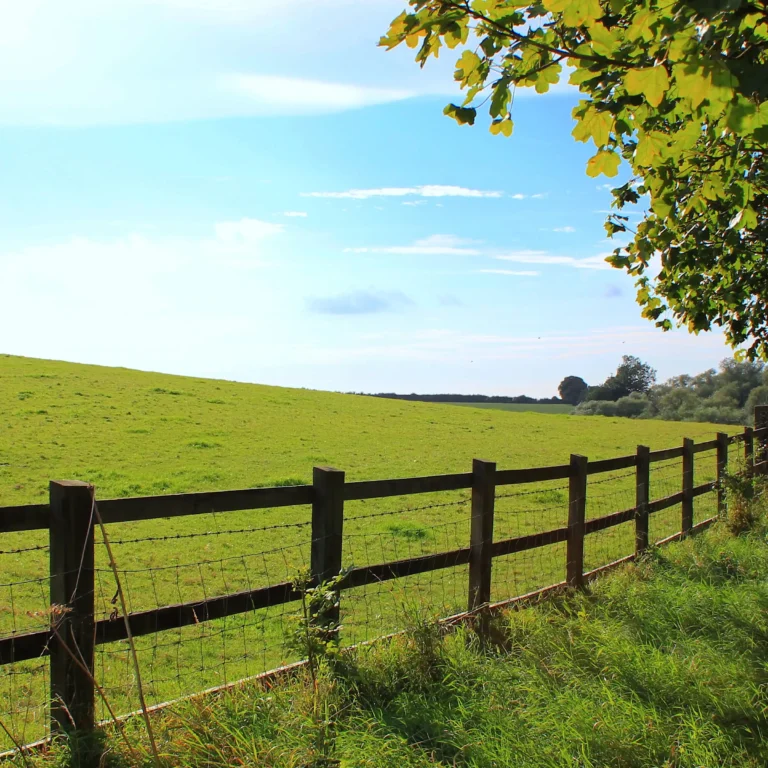
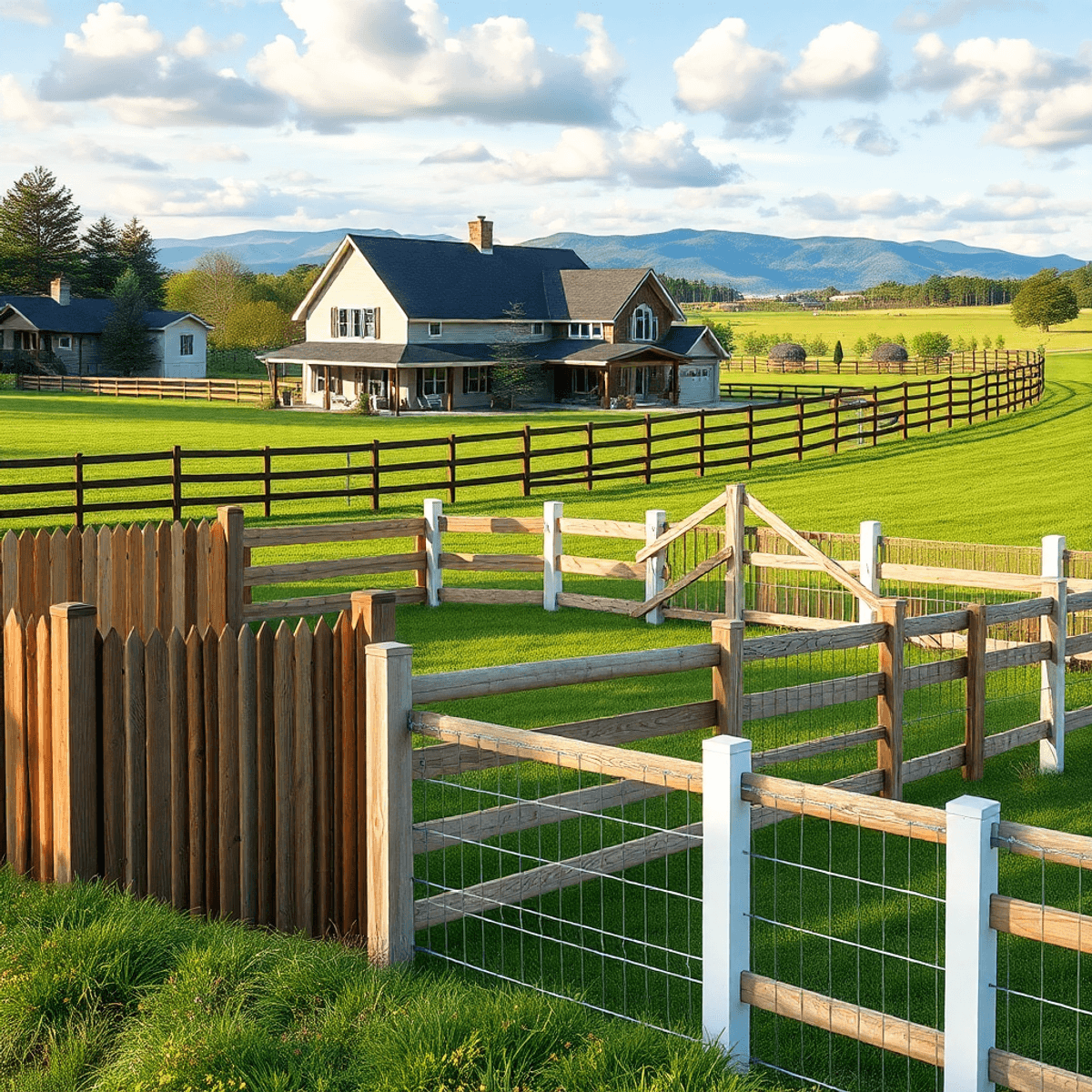
Fences are essential for both homes and businesses. They provide security, privacy, and enhance the appearance of a property. The right fence can completely change how your property looks, mark boundaries, and even serve agricultural purposes. Whether you’re an equestrian contractor in need of a paddock fence or a farming contractor looking for an agricultural fence, picking the right type is crucial for success.
Why Choosing the Right Fence Matters
It’s important to choose from the various types of fences available today. Each type has its own specific uses and goes well with different architectural styles. The best types of fences are those that fulfill your specific requirements while also matching your desired look. From classic wooden panels to contemporary composite materials, each option has its own advantages and maintenance needs.
In this detailed guide, we will explore the different types of fences. We’ll take a closer look at their unique features, benefits, and where they work best. We’ll cover options that provide complete privacy, styles that are partially solid for decorative purposes, natural solutions that offer beauty and discretion, as well as specialized fencing designed to reduce noise.
The Importance of Professional Installation
Working with a trusted fence company guarantees proper installation and durability. This ensures that your fence not only looks great but also withstands the test of time.
Understanding Agricultural Influences on Fencing Needs
Additionally, it’s essential to think about how certain farming practices can affect your fencing requirements. For example, if you are involved in farming or ranching activities, you may need specific types of fencing that cater to your agricultural needs.
Gaining knowledge about concepts such as biodynamic agriculture or understanding the effects of eutrophication on land management can greatly influence your choice of fencing.
With this guide in hand, you’ll be equipped to make informed decisions about which fencing solution best suits your property’s needs while also considering any broader agricultural factors that may come into play.
1. Solid Fencing Options
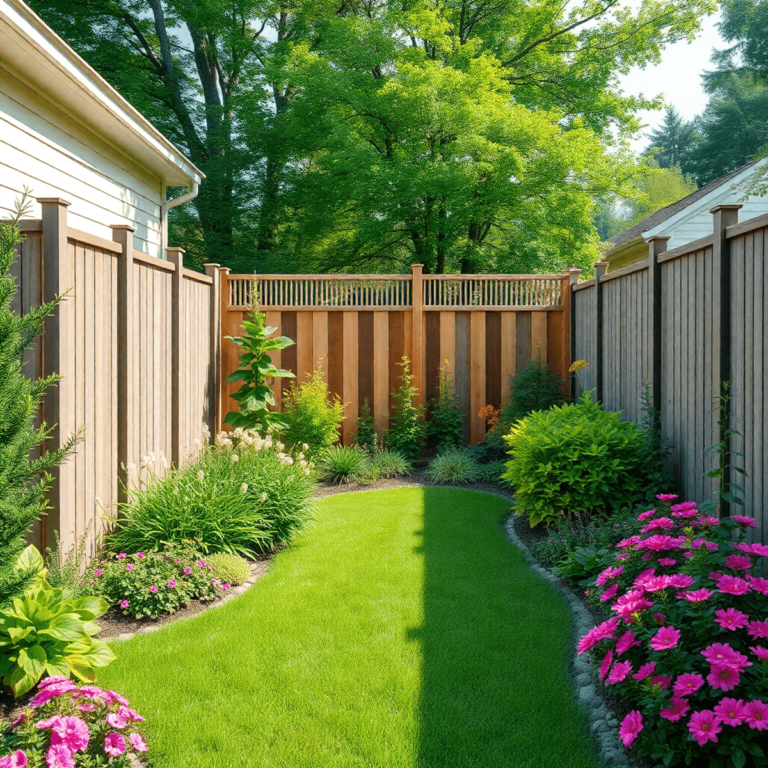
Solid fencing options are highly regarded for their ability to provide substantial privacy and security, making them a popular choice among homeowners. These fences serve as robust barriers that not only define boundaries but also enhance the aesthetic appeal of properties.
Featherboard Fencing
Featherboard Fencing stands out for its sturdy construction and solid privacy features. It is typically made of vertical overlapping panels, which ensure there are no gaps for prying eyes or noise intrusion.
Characteristics
Available in various sizes and heights, Featherboard fences can be tailored to suit different property requirements.
Benefits
Offers excellent privacy and security, making it ideal for both residential and commercial properties.
Maintenance Needs
Requires regular staining or treatment to maintain its durability against weather elements, ensuring it remains intact over time.
Lap Panel Fencing
For those seeking an affordable solution without compromising on privacy, Lap Panel Fencing offers an attractive option. Known for its horizontal overlapping design, it provides a classic look while being budget-friendly.
Affordable Option
One of the most cost-effective solid fencing solutions available.
####Characteristics
While less durable than Featherboard, it still provides adequate privacy with its overlapping panels.
####Care Requirements
To extend its lifespan, it’s advisable to paint or stain Lap Panels periodically, especially since they are more susceptible to wear compared to other solid fencing types.
Hit and Miss Fencing
Hit and Miss Fencing combines visual appeal with functional benefits. This style features panels that are alternately attached to either side of the fence rails, creating a unique pattern that is both aesthetically pleasing and practical.
Visual Appeal
Offers a distinctive appearance with alternating slats that create an interesting visual dynamic.
Privacy Advantages
Despite the small gaps between slats, it effectively obscures views from either side while allowing some light and air to pass through.
Considerations
While providing good privacy, the gaps may allow weeds to grow through if not properly maintained.
In addition to these solid fencing options like Featherboard, Lap Panel, and Hit and Miss which offer diverse benefits tailored to meet specific needs, it’s important to consider the broader context of land change science. This field studies how human activities have transformed nearly 50% of Earth’s non-ice land surface—a fact that underscores the importance of responsible land use in our landscaping decisions. Whether prioritizing privacy, aesthetics, or budget considerations with these fencing solutions, we must remain mindful of our environmental impact.
2. Semi-Solid Panels and Decorative Styles
Enhancing your outdoor space often involves balancing aesthetics with function. Semi-solid panels and decorative fencing styles offer a harmonious blend of visual appeal and practical utility. These options not only define boundaries but also add an element of style to any garden or yard.
Introduction to Semi-Solid Panels
Semi-solid panels are characterized by their creative designs, which incorporate gaps between the slats. This design element provides a degree of privacy while allowing light and air to flow through. These panels are perfect for those who seek an open yet secluded feel in their outdoor spaces.
Venetian Panels: Modern Elegance
Venetian panels are a popular choice for contemporary gardens. Their sleek, horizontal slats create a sophisticated look that complements modern architecture beautifully.
- Design Features:
- Horizontal timber slats with small gaps
- Strong frame construction
- Often includes an additional rail for increased height
- Ideal Applications:
- Perfect for framing patios or balconies
- Used in garden competitions for their aesthetic appeal
- Suitable as boundary fences in urban settings
Louvre and Metro Panels: Light and Air Benefits
The Louvre and Metro panels are designed with individual pales that allow light penetration and air circulation, making them versatile choices for various environments.
- Benefits:
- Enhance natural lighting in shaded areas
- Promote airflow which can benefit surrounding plant life
- Provide partial privacy without completely obstructing views
These panels are ideal for gardens where natural light is limited, offering a solution that nurtures plants while maintaining aesthetic charm.
Decorative Fencing Styles
Decorative fencing styles go beyond functionality to become statement pieces in your outdoor decor. They often feature intricate patterns or unique shapes that draw attention and add character to any setting.
These styles serve more than just utility; they bring personality to your landscape, making them an excellent choice for those looking to express creativity through their garden designs. Whether opting for Venetian elegance or the airy design of Louvre panels, semi-solid and decorative styles provide both beauty and function in equal measure.
Moreover, these designs can be seamlessly integrated into various themed gardens such as Persian gardens known for their intricate layouts and water features, or tea gardens which serve as serene spaces for relaxation while enjoying light refreshments. However, it’s crucial to remember the environmental impact of our gardening choices. The issue of deforestation, primarily driven by agricultural expansion, poses significant threats to our ecosystems.
To better understand the various options available when it comes to fencing types, you might find it useful to explore this comprehensive guide on the different fencing types.
3. Enhancing Gardens with Trellis Fencing
Trellis fencing is a versatile option that combines functionality with beauty. It supports climbing plants, providing an innovative way to add vertical interest to garden designs. This type of fencing not only enhances the visual appeal of an outdoor space but also serves practical purposes such as defining boundaries and adding height without blocking light.
Key Features of Trellis Fencing
Trellis fencing offers a framework for climbing plants like ivy, roses, and clematis, allowing them to thrive and create natural screens. Its structure can transform plain garden walls or existing fences into living displays.
- Support for Climbing Plants: By encouraging growth vertically, trellis fences maximize space and provide natural shade.
- Aesthetic Appeal: Offers texture and depth to gardens, making it easier to create layered planting schemes.
Different Styles of Trellis Fencing
There are various styles of trellis fencing available, each catering to different preferences and requirements:
- Square Trellis: Known for its simple grid pattern, square trellis is ideal for supporting heavy climbers. Its straightforward design allows even distribution of weight from plants.
- Lattice Trellis: Featuring diagonal crisscross patterns, lattice trellis adds a decorative touch while maintaining strength. It supports lighter climbers and is perfect for creating an elegant backdrop in garden spaces.
- Diamond Trellis: Characterized by its diamond-shaped gaps, this style offers a classic look that complements traditional garden designs. It provides ample support for climbing plants while allowing for intricate weaving of foliage.
The choice between these styles depends on the specific needs of the garden and the types of plants intended for cultivation. For instance, if you’re planning to incorporate wild rice into your garden design, understanding its growth patterns can influence your trellis choice. Alternatively, if you’re interested in implementing organic horticulture techniques in your gardening practices, trellis fencing can play a crucial role in supporting various plant species while adhering to organic methods.
Trellis fencing’s adaptability ensures that whether you desire a straightforward plant support system or an elaborate decorative feature, there’s a configuration suited to enhance your garden’s overall aesthetic. Furthermore, incorporating elements like rock gardens alongside trellis fencing can create a stunning visual contrast while providing additional support for certain types of plants.
4. Alternative Garden Fencing Types to Consider
Exploring a variety of garden fencing options can enhance the aesthetic appeal and functionality of your outdoor spaces. Beyond traditional styles, several unique fencing types cater to different needs and preferences.
Picket Fences
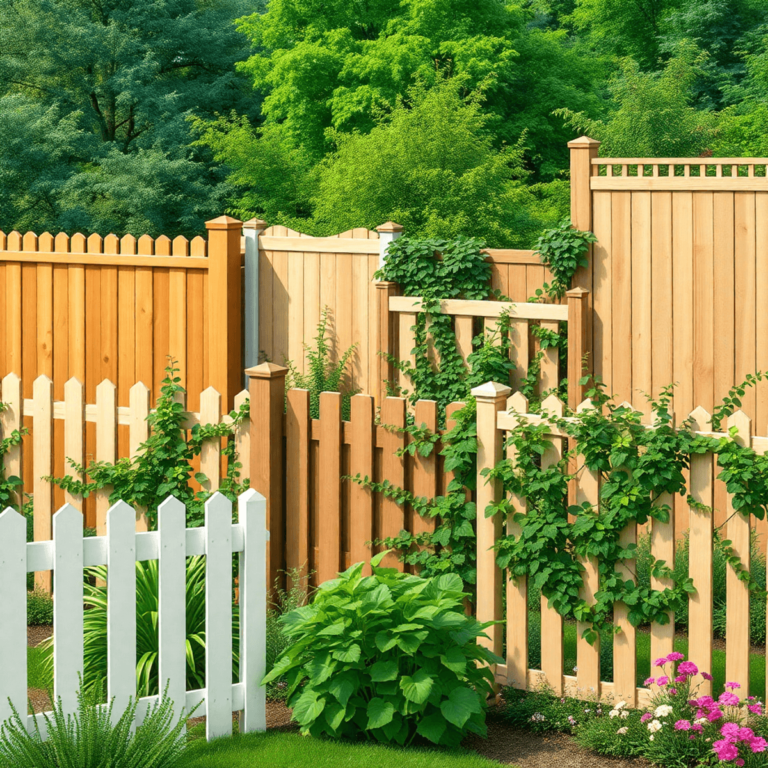
A classic choice for front gardens, picket fences are renowned for their quaint charm and curb appeal. These fences are typically characterized by their low height, making them ideal for defining boundaries without obstructing views. While they offer limited privacy and security due to their spacing and height, they serve as an effective deterrent for foot traffic or stray animals.
Considerations for Picket Fences:
- Design Flexibility: Available in various styles, from pointed tops to rounded edges.
- Material Options: Commonly made from wood or vinyl; each offers different benefits such as ease of maintenance or aesthetic appeal.
- Maintenance Needs: Regular painting or staining might be necessary to prevent weathering in wooden picket fences.
Combination Fencing
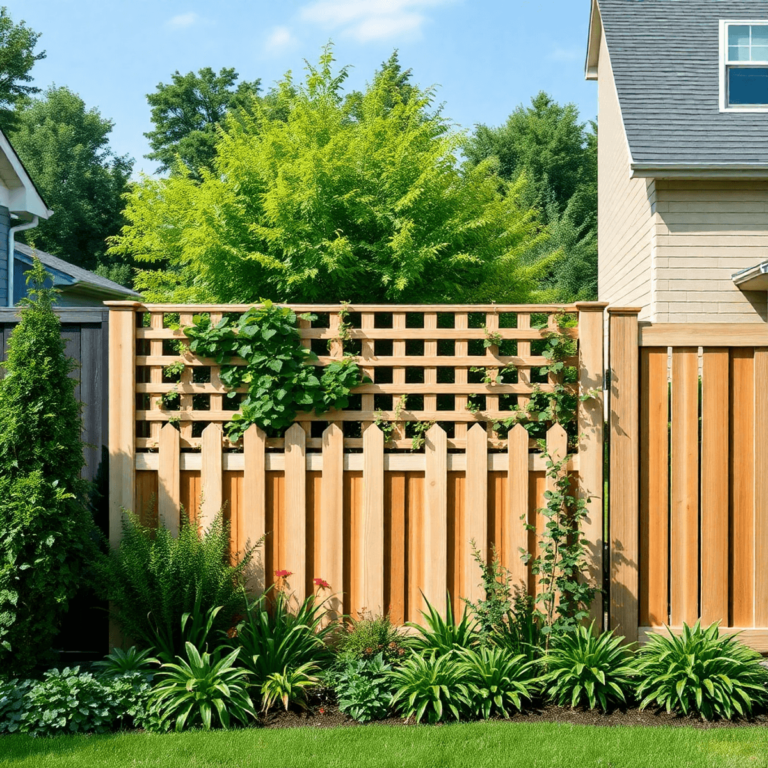
For those looking to mix styles and functionalities, combination fencing offers a versatile solution. This type of fencing merges different materials or designs to create a visually engaging boundary. A popular configuration includes solid panels at the bottom with latticework on top, providing both privacy and an opportunity for climbing plants.
Advantages of Combination Fencing:
- Visual Interest: Combines the solidity of traditional panels with decorative elements like trellis or slats.
- Plant Integration: Lattice tops are perfect for supporting climbing plants, adding greenery and vertical interest.
- Customizable Designs: Allows homeowners to tailor fence aesthetics to match or complement their garden landscape.
Composite Fencing
A relatively modern innovation, composite fencing combines wood fibers with plastic materials, offering a durable and environmentally friendly alternative to traditional wood fencing. This type of fencing is designed for longevity and requires minimal maintenance compared to natural wood options.
Benefits of Composite Fencing:
- Durability: Resistant to rot, insect damage, and harsh weather conditions.
- Eco-Friendly: Made from recycled materials, reducing environmental impact.
- Minimal Maintenance: Does not require regular staining or painting; occasional cleaning suffices.
With these alternative garden fencing options—picket fences for their charming simplicity, combination fencing for its adaptability, and composite fencing for its durability—homeowners can find solutions that meet specific aesthetic desires and functional requirements. Each type brings its own set of advantages that can be tailored to suit various landscaping goals.
Incorporating these fences into distinct garden styles like a cottage garden can further enhance the overall look. A cottage garden’s charm often lies in its informal design and abundance of flowers, which can beautifully harmonize with a picket fence.
On the other hand, if you’re considering creating an arboretum or a biblical garden, the choice of fencing becomes crucial as it should complement the thematic essence of these gardens while serving their functional purpose.
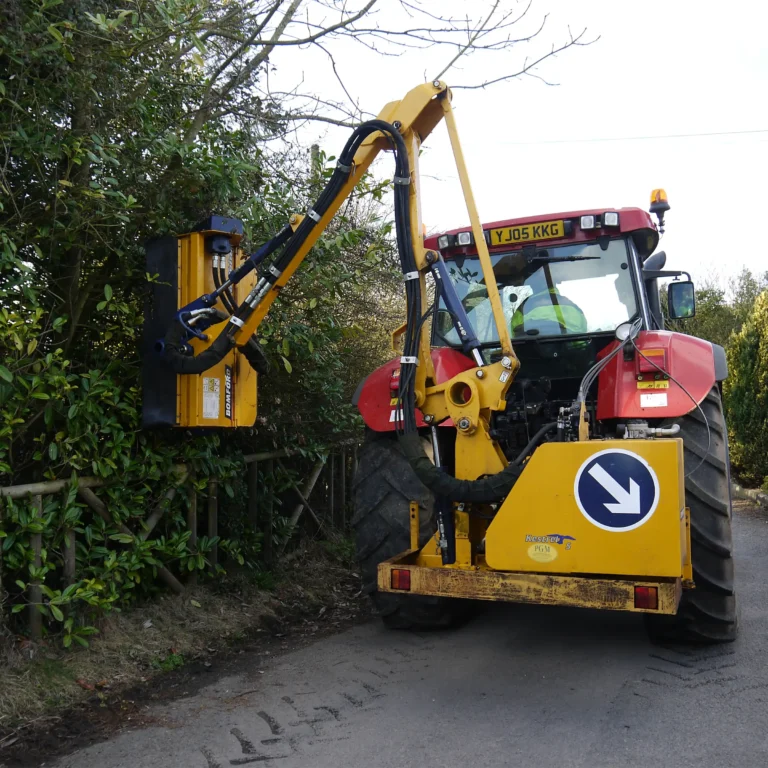
Moreover, if you’re planning on using heavy machinery like a tractor for landscaping purposes, understanding how tools such as the harrow work can greatly assist in achieving the desired soil structure before setting up any fence installations.
5. Natural Screening Solutions for Privacy and Beauty in Outdoor Spaces
Natural screening options offer a harmonious blend of privacy and aesthetic appeal, enriching outdoor spaces with their organic textures and earthy tones. These solutions are perfect for those seeking to create a tranquil retreat that resonates with the charm of an English country garden.
Types of Natural Materials
1. Hazel Hurdles
Hazel fencing, renowned for its rustic allure, utilizes woven hazel branches to form sturdy panels. This traditional method not only delivers robust structural integrity but also enhances garden aesthetics with its natural texture. Hazel hurdles act as excellent windbreaks and are praised for their ability to blend seamlessly into natural landscapes.
2. Bamboo Screens
Bamboo presents a sleek, modern alternative while retaining a natural essence. Its vertical canes provide both privacy and a sense of exotic elegance. Bamboo screens can be used effectively in contemporary garden designs or as standalone features to demarcate spaces. Interestingly, the versatility of bamboo has historical roots; it was even used in early aeronautics for making lightweight propellers, demonstrating its long-standing association with functionality and design.
3. Reed Screens
Reed fencing is lightweight and versatile, making it suitable for temporary or semi-permanent installations. While providing adequate privacy, reed screens also allow light filtration, casting soft shadows that enhance the ambiance of any outdoor area.
Creating an English Country Garden Feel
To evoke the quintessential English country garden atmosphere, combining different types of natural materials can create layers of texture and color:
- Intermixing Materials: Use hazel hurdles as primary boundary screens and complement them with bamboo or reed accents to define specific zones within the garden.
- Integrating Plants: Plant native climbing species like honeysuckle or clematis near these screens to soften edges and add seasonal interest as they weave through the structure.
These natural screening solutions not only serve functional purposes like privacy and partitioning but also contribute significantly to the ecological value of your garden by supporting local wildlife habitats. However, it’s essential to use these resources sustainably. Overexploitation of certain materials could lead to issues similar to desertification, which is a type of land degradation caused by various factors including climate change and loss of vegetation. Whether you opt for the rustic charm of hazel fencing or the minimalist appeal of bamboo, these options present sustainable choices that enhance both beauty and biodiversity.
6. Noise Reduction Fencing: A Solution for Peaceful Living Spaces
Noise reduction fencing is an innovative approach to creating tranquil environments amidst bustling urban settings or high-traffic areas. These specialized fences are designed with materials and structures that effectively block and absorb sound waves, offering a quieter outdoor experience.
How Noise Reduction Fencing Works
Noise reduction fencing operates on the principles of sound absorption and deflection. Typically constructed from dense materials such as wood, composite, or specially designed acoustic panels, these fences act as barriers that intercept sound waves. Some designs incorporate Forest Decibel Panels, which can reduce noise by up to 30dB, significantly diminishing ambient noise levels.
- Sound Absorption: The materials used in noise reduction fencing often include absorptive layers that trap sound energy, preventing it from reflecting back into the environment.
- Sound Deflection: By altering the path of sound waves, these fences can redirect unwanted noise away from living spaces.
Benefits of Noise Reduction Fencing
Implementing noise reduction fencing offers various advantages, particularly in urban homes or regions plagued by constant traffic hum:
- Enhanced Privacy and Comfort: By reducing external noise intrusion, these fences help create a serene atmosphere, making outdoor spaces more enjoyable for relaxation and social gatherings.
- Increased Property Value: Homes equipped with effective noise barriers are often seen as more desirable, potentially boosting property marketability and value.
- Environmentally Friendly Options: Many noise reduction systems are made from sustainable materials like recycled plastics or responsibly sourced timber, aligning with eco-conscious practices.
For those living near busy roads or noisy neighbors, noise reduction fencing provides a practical solution to reclaim peace and quiet in their outdoor spaces. This enhancement not only improves quality of life but also adds a functional element to landscape design.
7. Choosing the Right Materials & Quality Considerations for Your Fence
Selecting the right materials for your fencing project is crucial to ensure it meets both functional and aesthetic requirements. The choice often boils down to three primary materials: wood, composite, and metal, each offering unique benefits and challenges.
Wood Fencing
Wood remains a popular choice due to its natural beauty and versatility. It can be customized to fit any design, from classic picket fences to modern slatted styles. Pressure treated timber is particularly favored because of its enhanced resistance to rot and insect damage, making it a durable option for outdoor use. Regular maintenance like staining or painting can prolong its lifespan, though it requires more upkeep compared to other materials.
Composite Fencing
Composite materials, made from a mix of wood fibers and plastic, offer an excellent alternative for those seeking low-maintenance options. These fences are resistant to weathering, rot, and insects without the need for regular treatments. Available in a variety of finishes, composite fencing provides the appearance of wood without the associated maintenance tasks.
Metal Fencing
Metal fences, including options like steel or powder-coated aluminum, deliver strength and durability that surpasses most traditional materials. Ideal for security-focused applications, metal fences can withstand harsh environmental conditions with minimal maintenance. Corten steel offers a unique aesthetic with its rust-like appearance that continues to develop over time. While metal tends to be more expensive initially, its longevity often justifies the investment.
Quality Considerations
Using high-quality materials is essential not only for aesthetic purposes but also for ensuring longevity and resilience against weather conditions. Ensuring that wood is pressure-treated or selecting composites with proven durability can significantly impact the lifespan of your fence. Metal options should have protective coatings like galvanization or powder-coating to resist corrosion.
Choosing the right material involves balancing initial costs with long-term benefits such as maintenance needs and environmental resistance. Understanding these factors will help guide you toward making an informed decision tailored to your specific needs and preferences.
8. Installation Considerations: What You Need to Know Before Getting Started
Understanding the complexities of fence installation is crucial for achieving a successful outcome. Several factors influence the overall fence installation cost, including material choice and labor expenses. Being aware of these elements can help you plan effectively and avoid unexpected financial burdens.
Key Factors Influencing Installation Costs
1. Material Choice
Different materials come with varying price tags. For instance:
- Wooden Fences: Generally more affordable upfront but may require regular maintenance.
- Composite Fences: Higher initial costs but offer longevity and reduced upkeep.
- Metal Fences: Often the most expensive, offering durability and a modern aesthetic.
2. Labor Costs
Depending on the complexity of the installation, labor costs can fluctuate. Professional installations generally ensure high-quality results but come at a higher price compared to DIY projects.
Essential Components for Successful Installation
Proper selection of posts is vital for fence stability and longevity:
1. Wood Posts
- Advantages: Easier to handle and install, providing a natural aesthetic.
- Considerations: Requires treatment to resist rot and decay, potentially increasing maintenance needs over time.
2. Concrete Posts
- Advantages: Highly durable and resistant to weather conditions.
- Considerations: Heavier and more challenging to install, often necessitating professional assistance.
Additional Considerations
- Post Depth & Spacing: Ensuring posts are set at an appropriate depth (typically one-third underground) is essential for structural integrity.
- Gravel Boards: These can protect wooden panels from ground moisture, extending lifespan.
- Installation Environment: Assessing site conditions such as soil type and slope can impact installation methods and costs.
A comprehensive approach to planning your fence installation will not only manage costs effectively but also ensure a durable and aesthetically pleasing result. By considering these components carefully, you lay a solid foundation for your fencing project.
For those looking into historical data or past prices, utilizing tools like the Wayback Machine could provide valuable insights into previous trends that may assist in your planning process.
9. Maintenance Tips to Prolong the Lifespan of Your Fence
Maintaining your fence is crucial for its durability and effectiveness. The treatment method used on wooden fencing greatly influences the level of maintenance needed.
Dip-Treated vs Pressure-Treated Fencing
- Dip-Treated Fences: These have been immersed in a protective treatment, giving them an initial orange or amber hue. To maintain their condition, annual re-treatment is essential. A gravel board should be used to keep the fence off the ground, protecting it from dampness and rot.
- Pressure-Treated Fences: Subjected to intense pressure treatment that forces preservatives deep into the wood fibers. This method offers a lighter green hue with up to a 15-year warranty. Though not mandatory, using a gravel board can still provide additional protection and ensure stability during temperature changes.
Regular Upkeep Tips
- Inspection: Regularly inspect your fence for signs of damage or wear, such as loose boards or rust on metal components. Early detection allows for quick repairs, preventing further deterioration.
- Cleaning: Keep your fence clean by removing dirt, mold, and algae buildup with a mild detergent solution or specialized cleaner. This not only maintains its appearance but also prevents decay.
- Staining and Sealing: Applying stain and sealant enhances water resistance and adds an extra layer of protection against UV rays, which can cause fading and cracking.
- Check for Rot: Especially important for wooden fences, check posts and panels for any signs of rot or insect infestation. If you notice any pest-related issues, it’s advisable to seek professional pest control services promptly to address these problems effectively.
- Reinforcement: Reinforce weak spots with additional supports if necessary, particularly after severe weather conditions that may have caused structural stress.
Proactive maintenance ensures longevity and performance, safeguarding your investment while maintaining aesthetic appeal over time.
10. DIY vs Professional Installation: Which Option is Right For You?
When it comes to fencing installation, deciding between a DIY approach and hiring professional contractors is a crucial decision that can impact both the outcome and your budget. Each option has its own set of advantages and potential drawbacks.
Pros and Cons of DIY Installation
Pros:
- Cost Savings: Undertaking a DIY fence installation can significantly reduce labor costs, making it a more budget-friendly option.
- Flexibility: With self-installation, you have the flexibility to work at your own pace and make adjustments as you see fit.
- Satisfaction: Completing a project with your own hands often provides a sense of achievement and personal satisfaction.
Cons:
- Time-Consuming: It requires considerable time commitment, especially for those unfamiliar with construction tasks.
- Skill Level Required: Lack of experience can lead to mistakes or subpar results, affecting the durability and appearance of the fence.
- Tools and Equipment Needs: Specific tools are necessary for proper installation, which may require additional investment.
Accessing DIY fence installation resources such as video guides and checklists can be invaluable for those opting for this route.
Hiring Professionals
Opting for professional installation offers its own set of benefits:
- Expertise: Professional installers bring extensive knowledge and experience, ensuring high-quality craftsmanship.
- Efficiency: Professionals can complete the project in a timely manner, minimizing disruptions to your daily life.
- Warranty and Support: Many contractors offer warranties on their work, providing peace of mind regarding future repairs or maintenance.
When choosing professional help, consider reaching out to local contractors known for their specialized expertise in fencing. Websites like Checkatrade.com can provide recommendations for vetted tradesmen in your area.
Whether you choose to embark on a DIY project or enlist the help of professionals depends largely on personal preferences, available resources, and the complexity of your fencing needs. Each path offers unique benefits that cater to different priorities and constraints.
Final Thoughts on Choosing the Right Fence Type For Your Needs
Selecting the right fence type is a crucial decision that affects both the appearance and functionality of your property. With many different types of fences to choose from, it’s important to carefully consider your specific needs.
Here are some key factors to keep in mind:
- Budget: Think about the costs involved with materials and installation. Solid options like Featherboard might provide better privacy but will cost more compared to Lap Panels.
- Maintenance: Consider how much upkeep you’re willing to do. While composite fencing requires little maintenance and lasts a long time, traditional wood often needs regular treatment.
- Purpose: Determine what you mainly want your fence for—whether it’s privacy, decorative appeal, or supporting plants. Solid fences are great for privacy, while trellis or picket styles enhance the beauty of gardens.
- Environmental Conditions: Take into account how local weather conditions will affect your fence; for example, think about using wind-resistant designs in open areas.
It’s important to find a balance between these factors and your personal preferences as well as the unique features of your property. This will help ensure that you’re happy with your choice.
We can help you with expert advice tailored to different needs, including specialized solutions like agricultural fencing options. Our team is ready to answer any questions you have so that you can make an informed decision that meets both practical requirements and aesthetic desires.
If you’re interested in learning more about the agricultural side of fencing, we can also provide information about Daedong Corporation, a company known for producing agricultural machinery since 1949. Additionally, we can share insights on the significance of fodder in agriculture or discuss the contributions made by influential figures such as Johann Friedrich Mayer, who improved farming practices. Don’t hesitate to reach out for personalized guidance or recommendations.
FAQs (Frequently Asked Questions)
What are the benefits of solid fencing options?
Solid fencing options like Featherboard, Lap Panel, and Hit and Miss Fencing provide excellent privacy and security. They are characterized by their durability and ability to block visibility, making them ideal for enhancing property boundaries.
How do semi-solid panels differ from solid fencing?
Semi-solid panels, such as Venetian Panels, offer a balance between privacy and aesthetic appeal. They allow for light penetration and air circulation while still defining boundaries, making them suitable for modern gardens.
What is trellis fencing and how can it be used in gardens?
Trellis fencing is a versatile option designed to support climbing plants while adding vertical interest to garden designs. Different styles like Square, Lattice, and Diamond trellis can enhance both the beauty and functionality of your outdoor space.
What are some alternative garden fencing types I should consider?
Alternative garden fencing types include Picket Fences for front gardens, Combination Fencing for visual interest with climbing plants, and Composite Fencing for durability. Each type offers unique benefits tailored to different landscaping needs.
How does noise reduction fencing work?
Noise reduction fencing is designed to absorb sound waves, significantly reducing noise pollution in urban areas or near high-traffic zones. This type of fencing provides a peaceful living environment while maintaining aesthetic appeal.
What should I consider when choosing materials for my fence?
When selecting materials for your fence, consider factors such as durability, weather resistance, and maintenance requirements. Pressure-treated timber is popular for its longevity, while composite materials offer modern durability with environmental benefits.