
Introduction and Overview
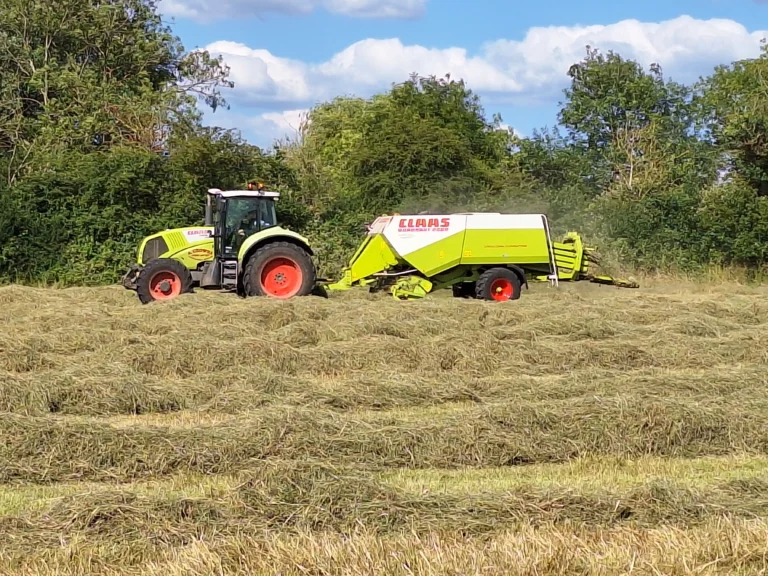
Agricultural contractors are essential service providers within the agricultural industry, offering specialized skills and equipment to farmers who may lack these resources. As modern farming evolves, the importance of agricultural contractors becomes increasingly apparent. They bridge the gap between capability and necessity, allowing farmers to focus on their core operations while ensuring tasks like crop spraying, fertilizing, and harvesting are executed efficiently.
The role of agricultural contractors extends beyond mere task execution; they significantly enhance farm productivity and efficiency. By bringing expertise in various domains such as midlands groundworks or operating machinery for tender contracts, these professionals help optimize farming practices. This service is particularly crucial in regions like the Midlands, where diverse agricultural needs require adaptable solutions.
The demand for farming contractors continues to grow, with many seeking “agricultural contractors near me” to meet local needs. As we move into 2024 and 2025, the trend towards outsourcing specialized farm work is expected to increase, driven by the need for cost-effective and efficient farming solutions. Agricultural contractors stand at the forefront of this shift, providing indispensable services that ensure farms remain productive and sustainable in a competitive market.
One notable aspect of modern agriculture is the increasing interest in creating specialized gardens such as an arboretum, which is a botanical collection of trees of various species. These spaces not only serve aesthetic purposes but also play a role in scientific study and conservation. Similarly, the concept of a biblical garden, which includes cultivated collections of plants named in the Bible, is gaining traction in certain farming sectors.
Moreover, understanding crops like maize, which has a rich history dating back 9,000 years ago in southern Mexico, can significantly impact farming strategies. Additionally, knowledge about environmental issues such as eutrophication, which causes excessive plant growth due to nutrient enrichment in water bodies, is crucial for sustainable farming practices.
Key takeaway: Agricultural contractors play a crucial role in enhancing farm productivity and efficiency through their specialized services.
Understanding the Role of Agricultural Contractors
Agricultural contractors perform a wide array of services essential to modern farming. These services range from crop spraying and fertilizing to harvesting and groundworks. This versatility allows farmers to access specialized skills and equipment that they might not possess independently, such as those offered by companies like Daedong, known for their agricultural machinery production.
Types of Services Provided by Agricultural Contractors
Agricultural contractors offer various services that are crucial for efficient farming operations. Some of these services include:
- Crop Spraying: Application of pesticides or herbicides to protect crops from pests and diseases.
- Fertilizing: Providing essential nutrients to plants through the application of fertilizers.
- Harvesting: Efficiently gathering mature crops using specialized machinery.
- Ground Works: Preparing the land for cultivation through activities like ploughing, tilling, and soil conditioning.
This wide range of services enables farmers to optimize their operations and improve overall productivity.
Employment Options for Agricultural Contractors
When considering employment, contractors often choose between being self-employed or working for a company. A self-employed contractor enjoys the flexibility of managing personal schedules and selecting projects, although this comes with the responsibility of securing clients, often through tenders and contracts. Engaging in local government tenders or bidding for council contracts can be lucrative avenues for these contractors.
On the other hand, contractors who work for companies may have a more stable income but may also have less control over their work hours and project choices.
Specialization in the Agricultural Industry
The industry also sees many professionals specializing in specific areas of farm business. Specialization can lead to increased demand and potential for higher earnings as expertise in a niche service like precision planting or organic fertilization becomes valued. Whether self-employed or part of a larger organization, agricultural contractors significantly influence the efficiency and productivity of farms by offering tailored solutions that meet diverse agricultural needs.
Moreover, these contractors often operate in rural areas, where agricultural activities are predominant. Their work not only contributes to the success of individual farms but also plays a crucial role in the overall economic health of these rural regions.
Skills and Qualifications Required to Become an Agricultural Contractor
To thrive as an agricultural contractor, you need a mix of physical prowess and technical know-how. Mastery of farm machinery and tools is crucial, as these are the backbone of your daily tasks. Agility and strength are often required for managing equipment and handling physically demanding work.
Importance of Communication Skills
Communication skills hold paramount importance. Dealing with clients and suppliers requires clarity, professionalism, and the ability to convey complex agricultural processes in understandable terms. Building strong relationships can lead to repeat business and a solid reputation in the industry.
Role of Qualifications in Enhancing Credibility
Qualifications can significantly boost your credibility. Organizations like the National Proficiency Tests Council (NPTC) and City & Guilds offer certifications that validate your expertise. These qualifications not only enhance your skillset but also make you more appealing to potential clients.
Value of Apprenticeships in Gaining Practical Experience
Apprenticeships present a valuable pathway for gaining practical experience. The National Association of Agricultural Contractors (NAAC) provides opportunities for aspiring contractors to learn on the job, combining hands-on work with formal training. This blend of learning ensures that you are well-prepared for the diverse demands of agricultural contracting.
Importance of Continuous Learning through Training Courses
Investing time in training courses and gaining relevant certificates are steps towards securing a successful career in this competitive field. These efforts not only improve your skillset but also expand your professional network, opening doors to future opportunities.
Specialized Knowledge Beneficial in Agriculture
In addition to the mentioned skills and qualifications, understanding specialized concepts such as molecular clocks can be beneficial in certain agricultural contexts, especially those involving genetics or plant breeding. Furthermore, knowing different types of plants is essential for anyone in the agricultural sector.
Embracing Diversity for an Inclusive Environment
Moreover, embracing a diversity policy within your contracting business can foster a more inclusive environment for employees and stakeholders alike. This is increasingly important in today’s diverse workforce.
Career Pathways in the Agricultural Contracting Industry
Exploring career paths in agriculture, particularly as an agricultural contractor, offers a diverse range of opportunities. Aspiring contractors can pursue various avenues within this dynamic industry.
1. Training and Development
Many individuals start by gaining hands-on experience through apprenticeships or entry-level positions. Training programs are offered by organizations such as the National Association of Agricultural Contractors (NAAC), which provide essential skills development.
2. Consultancy Services
With experience, some professionals choose to specialize further and offer consultancy services. This role involves advising farms on best practices, helping them implement efficient techniques, and improving overall farm productivity.
3. Specialization Opportunities
Contractors may also opt to specialize in specific areas such as crop spraying, fertilizing, or animal management. Specialization not only enhances expertise but also allows contractors to become indispensable assets to farming operations that require these niche services.
Also, a growing trend in agricultural contracting is the incorporation of cottage gardens, which emerged as a local source of herbs and fruits during the Elizabethan era. These gardens not only provide fresh produce but also serve as an attractive feature for properties.
4. Management Roles
For those interested in leadership, there are opportunities to move into management positions within agricultural contracting firms or cooperatives. These roles involve overseeing operations, managing teams, and ensuring service delivery meets client expectations.
By exploring these career pathways, aspiring agricultural contractors can tailor their careers to match their interests and strengths within the agricultural sector.
Working Conditions as an Agricultural Contractor
Understanding the working conditions for agricultural contractors is essential for those looking to enter or advance in this field. A key aspect is the seasonal variations in workload. Farming activities are largely dependent on seasons, influencing when contractors are busiest.
1. Spring and Summer
These seasons typically bring a surge of activity, with tasks such as planting, fertilizing, and crop spraying taking precedence. The demand for services increases significantly as farmers prepare their fields and manage growing crops. This period may involve longer working hours, including evenings and weekends, to meet tight deadlines.
2. Autumn
Harvesting takes centre stage during autumn, requiring contractors to work efficiently to ensure crops are collected before adverse weather conditions set in. This season is characterized by its unique challenges, such as the need for specialized machinery like combine harvesters.
3. Winter
The workload tends to decrease during winter months, offering time for maintenance work on machinery and equipment. Contractors may also engage in groundwork preparations for the next planting season or diversify into other services like animal management.
In this dynamic environment, adaptability and preparedness are crucial traits for agricultural contractors to succeed across different seasonal demands.
Financial Aspects of Running an Agricultural Contracting Business
Managing the financial aspects of an agricultural contracting business is essential for sustainability and growth. Understanding the various payment structures commonly used in the industry can help you make informed decisions and set competitive rates.
Payment Structures:
1. Time-Based Payment
Contractors are often paid based on the time spent on a job. This method is straightforward, with payments calculated on an hourly, daily, or weekly rate. It provides flexibility to account for varying conditions that might affect work duration, such as weather changes or equipment breakdowns.
2. Area-Based Payment
This structure involves charging a set fee per unit area (e.g., per hectare or acre). It’s commonly used for tasks like ploughing, harvesting, or fertilizing, where the size of the land directly influences workload and resource utilization.
Each payment method has its advantages. Time-based payment ensures compensation for extended work periods, while area-based payment aligns with productivity levels and can incentivize quicker job completion.
Salary Expectations as an Agricultural Contractor:
Income as an agricultural contractor can vary significantly based on factors like experience, specialization, and region. Self-employed contractors have the potential to earn more by setting their own rates, yet they also shoulder business expenses such as equipment maintenance and insurance. Those employed by companies might receive a steady salary along with benefits but may have less flexibility in job selection.
Understanding these financial nuances empowers you to navigate the agricultural contracting landscape effectively, ensuring both profitability and quality service delivery.
In our line of work, knowing specific agricultural areas like tea gardens can open up more opportunities. Moreover, being aware of environmental challenges such as desertification can help us devise better strategies for land management. Lastly, understanding pest control methods can also be beneficial in providing comprehensive services to our clients.
The Impact of Mechanisation on Agriculture: A Contractor’s Perspective
Mechanisation in agriculture has changed the way agricultural contractors work, bringing both benefits and challenges. With the use of advanced machinery like tractors, combine harvesters and precision farming tools, contractors can now complete tasks more efficiently. This shift towards mechanisation means less dependence on manual labour, resulting in reduced physical strain typically associated with farming activities.
Benefits:
- Increased Efficiency: Modern machinery enables faster completion of tasks like ploughing, sowing, and harvesting, which maximizes output.
- Precision Agriculture: Technologies such as GPS and yield monitoring increase accuracy in planting and fertilizing, leading to better crop yields.
- Cost-Effectiveness: While initial investments in equipment can be high, mechanisation often results in long-term savings on labour costs.
Challenges:
- High Initial Costs: Purchasing and maintaining advanced machinery requires significant financial resources.
- Technical Expertise: Operating sophisticated equipment necessitates specialized knowledge and skills, requiring continuous training.
- Maintenance Demands: Regular maintenance is essential to keep machinery running smoothly, posing logistical challenges for contractors.
Agricultural contractors must find a way to balance these benefits and challenges. By doing so, they can make the most of what mechanisation has to offer while also finding ways to lessen its downsides. They need to adapt to technological advancements if they want to remain competitive in the constantly changing world of agriculture.
The Role of Industry Associations like the National Association of Agricultural Contractors (NAAC)
The National Association of Agricultural Contractors (NAAC) plays a crucial role in supporting agricultural contractors across the industry. This organization provides essential resources and opportunities that can significantly enhance a contractor’s business and career prospects.
1. Training Resources
The NAAC offers a range of training programs designed to improve the technical skills and knowledge base of contractors. These resources help ensure that members are up-to-date with the latest practices and technologies in agriculture, thereby increasing their competence and efficiency.
2. Networking Opportunities
Being part of the NAAC opens doors to valuable networking opportunities. Members have access to events, workshops, and seminars where they can connect with peers, share insights, and collaborate on projects. This network is invaluable for exchanging ideas and learning from the experiences of others in the industry.
3. Business Support
The association also provides business support services, including advice on regulations, safety standards, and financial management. Such guidance is essential for contractors who are navigating the complexities of running an agricultural contracting business.
4. Advocacy
As a representative body, the NAAC advocates for the interests of agricultural contractors at national and international levels. By influencing policy decisions, it ensures that the needs and concerns of its members are addressed effectively.
Overall, membership in organizations like the NAAC can be a significant asset for any agricultural contractor seeking to succeed in this competitive field.
Challenges Facing Agricultural Contractors Today
Agricultural contractors are facing a tough situation with several important issues at play.
1. High Inflation
High inflation is a major worry, causing the prices of important things like fuel, machinery maintenance, and labour to go up. These increasing costs can put pressure on budgets, making it hard for contractors to keep their prices competitive while still making a profit.
2. Machinery Maintenance
Another challenge is machinery maintenance. The wear and tear on equipment used for tasks such as ploughing or harvesting requires regular upkeep. However, with spare parts prices rising due to inflation, managing these costs becomes more and more difficult. Contractors need to find a balance between having reliable equipment and dealing with the financial burden of constant repairs.
3. Competition for Tenders
Agricultural contractors also have to compete for parish council grounds maintenance tenders. These tenders often require competitive bidding and careful budget management. As councils look for cost-effective solutions within their budget limitations, contractors must improve their proposals to win these contracts.
4. Land Change Science
In addition, land change science is an emerging field that agricultural contractors need to pay attention to. This area of study looks at how human activities have transformed nearly 50% of the Earth’s non-ice land surface, which could affect the amount of land available for agriculture and subsequently impact contractor operations.
5. Specific Crop Requirements
Furthermore, the increasing popularity of certain crops such as wild rice, which is native to regions like the Great Lakes and certain areas of Texas, brings both opportunities and challenges. This crop has specific land conditions that may not be easily accessible due to the previously mentioned land use changes.
The combination of high inflation affecting agricultural costs and machinery maintenance problems calls for careful planning and flexibility. Agricultural contractors need to stay adaptable, looking for creative ways to manage expenses while still providing excellent services to their clients.
Understanding these factors is crucial for contractors who want to expand their agricultural offerings.
Future Trends Shaping the Field of Agricultural Contracting
Agricultural contractors are leading the way in adapting to farming trends 2024/2025, navigating a landscape influenced by innovation and sustainability. As digitalization spreads across the agriculture sector, contractors are integrating advanced technologies to enhance efficiency and productivity.
Sustainability Initiatives
Sustainable farming practices, including biodynamic agriculture, are gaining momentum. This prompts contractors to adopt eco-friendly methods that minimize waste and optimize resource use. Contractors increasingly engage in practices like reduced tillage and integrated pest management, aligning with environmental goals.
Digitalization in Agriculture
The rise of smart farming technologies such as IoT devices and AI-driven analytics is transforming data management in agriculture. Contractors utilize these technologies for tasks like crop monitoring, soil analysis, and machinery maintenance. Enhanced connectivity enables real-time data exchange, improving decision-making processes.
Contractors who embrace these emerging trends can provide more competitive services while meeting the changing needs of modern farming. Staying informed about technological advancements and sustainability measures not only improves service offerings but also establishes contractors as key players in the future of agriculture. These changes require a combination of traditional knowledge and cutting-edge skills, creating a dynamic environment for growth in the contracting industry.
Pricing Structures and Cost Calculations in Agricultural Contracting Work
Understanding the pricing structures in agricultural contracting is vital for both contractors and clients. The charges typically vary based on the specific services provided, encompassing soil preparation, harvesting, and more. Here’s a breakdown of common pricing structures:
1. Soil Preparation Rates
The cost of soil preparation varies based on the method used, soil type, and depth of cultivation. Ploughing rates differ depending on whether the land is light or heavy, reflecting the varying power and time requirements. Heavier soils require more effort, leading to higher costs compared to lighter soils, which can be worked more efficiently.
For operations that require deeper ploughing beyond standard depths, rates increase accordingly due to the additional fuel, time, and machinery wear involved. Rotavating, often used for breaking down soil into a finer tilth, also carries its own cost implications, typically reflecting the intensity of the operation and the equipment required.
These rates are influenced by factors such as fuel costs, machinery depreciation, and labour expenses. By understanding these pricing structures, both contractors and clients can ensure transparency and effective budgeting in agricultural operations.
2. Harvesting Rates
Harvesting rates often depend on the type of crop and the equipment used, reflecting the complexity and labour required.
Contractors must consider factors like machinery costs, labour, insurance, and even fluctuations in diesel prices when setting their charges. The National Association of Agricultural Contractors (NAAC) provides a comprehensive price guide that accounts for these variables, helping to ensure competitive yet fair pricing.
These structured rates not only aid in budgeting but also enhance transparency between contractors and clients, fostering trust and long-term relationships within the agricultural community. Understanding these elements helps agricultural contractors position themselves effectively in a competitive market while meeting client expectations efficiently.
In terms of soil preparation, different techniques such as ploughing and rotavating are employed, each with its own cost implications.
When it comes to harvesting, rates can significantly fluctuate based on the type of crop being harvested and the complexity involved in the process.
It’s also crucial to factor in other elements like machinery costs, labour, insurance, and diesel price fluctuations when determining overall charges for contracting work.
Our Final Thoughts
Starting a career as an agricultural contractor comes with its own set of challenges and rewards. This field requires a special combination of skills—such as being good with machinery and effectively managing business operations. You need to be flexible and able to adjust to changes in seasons and advancements in the industry.
Potential Rewards:
- Diverse Opportunities: Agricultural contracting offers various career options. Whether you enjoy working directly in the fields or have aspirations for management or consultancy positions, the industry has something for everyone.
- Skill Development: Working in this profession helps you develop a wide range of skills, including operating equipment and communicating with clients. These abilities are valuable and can be applied to different areas of agriculture.
- Personal Fulfillment: Many contractors find fulfilment in their direct contribution to food production and sustainable farming practices. Your work plays a role in shaping the future of agriculture.
- Financial Independence: Being self-employed or running your own company can lead to significant financial rewards, especially if you diversify your services or specialize effectively.
The journey as an agricultural contractor is challenging but rewarding. It offers a dynamic career path with opportunities for growth and personal satisfaction.