

Welcome to the world of hedge cutting in amenity areas, where the art of precision and aesthetics meet.
This article delves into the techniques that ensure a well-maintained and visually appealing hedge. From optimal cutting methods to practical applications, we explore the secrets behind successful hedge cutting. Join us as we uncover tips and tricks for mastering the art of hedge cutting.
Introducing Hedge Cutting Techniques
It would be best if you started by learning three basic hedge-cutting techniques.
When introducing hedge trimming, it’s essential to understand the different methods that can be used for hedge maintenance.
The first technique is called the formal hedge style. This involves keeping the hedge neatly clipped and shaped, with straight lines and sharp edges. It’s commonly seen in formal gardens and adds elegance and structure to the landscape.
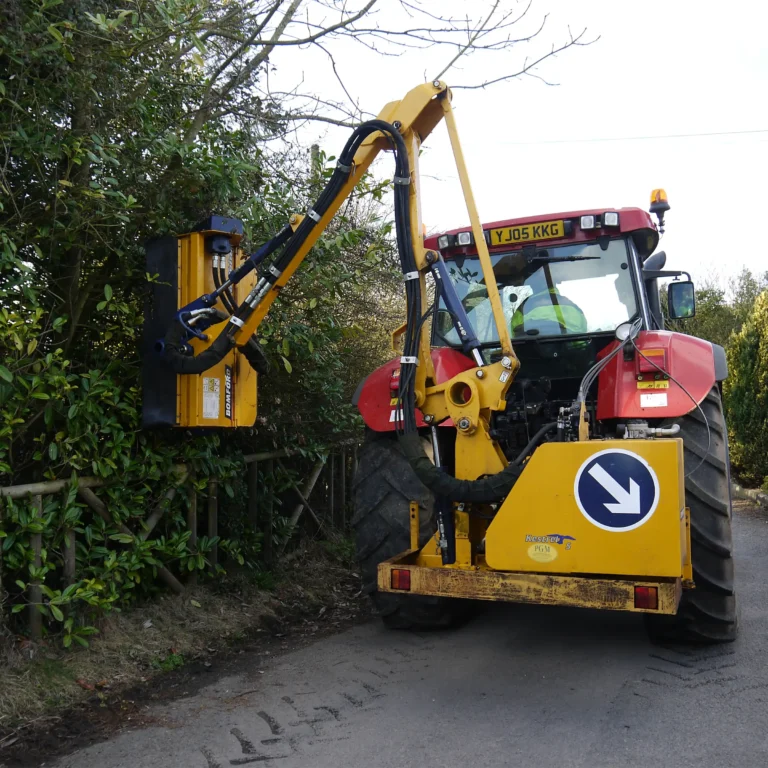
The second technique is known as the informal or natural style. This approach allows the hedge to grow more freely, with a softer and more organic shape. It’s often used in more relaxed and naturalistic settings. The informal approach best suits agricultural and amenity contractors using flail machine hedge cutters.
The third technique, called topiary, involves shaping the hedge into intricate and artistic designs. This technique requires a lot of skill and patience, but the results can be truly stunning.
Hedge Cutting Techniques
Now, let’s talk about the different hedge-cutting techniques you can use to achieve the desired results.
First, pruning is essential for promoting healthy growth and maintaining the overall health of the hedge.
Next, shaping the hedge is crucial for enhancing its aesthetic appeal and achieving a neat and tidy appearance.
Finally, timing your hedge cutting correctly is important to ensure optimal results and prevent any damage to the hedge.
Additionally, you’ll need the right tools and equipment to carry out the hedge-cutting effectively.
Pruning for Healthy Growth
To ensure healthy growth and proper maintenance, it’s important to prune your hedges regularly using effective cutting techniques. Pruning not only helps control the size and shape of your hedges but also promotes new growth and encourages a fuller, denser appearance.
When pruning, it’s crucial to have a clear vision of the desired shape you want to achieve. Whether it’s a neat and formal look or a more natural and organic shape, careful pruning will help you achieve your goal.
However, it’s essential to consider safety precautions while pruning. Always wear protective gloves and goggles to prevent any injuries from sharp branches or debris. Additionally, make sure to use sharp and clean pruning tools to ensure clean cuts and minimize the risk of disease.
Shaping for Aesthetic Appeal
When shaping hedges for aesthetic appeal, it’s important to consider the desired design and use proper cutting techniques to achieve the desired outcome.
Pruning for density is one technique that can help create a lush, full-looking hedge. By selectively removing some branches and encouraging lateral growth, you can increase the density of the hedge, making it look more visually appealing.
Additionally, incorporating wildlife into your hedge design can add a touch of natural beauty. By leaving some areas of the hedge untrimmed or using more natural shapes, you can create habitats for birds and other small animals. This not only enhances the aesthetic appeal of the hedge but also contributes to the overall biodiversity of the area.
Timing for Optimal Results
You can achieve optimal results when cutting hedges by timing your efforts carefully and utilizing effective cutting techniques.
Pruning techniques play a crucial role in maintaining the health and appearance of hedges. Regular pruning helps promote bushier growth and keeps the hedge in shape.
When it comes to timing, seasonal considerations are important. For deciduous hedges, it’s best to prune during late winter or early spring before new growth begins. This allows the hedge to recover and encourages healthy regrowth.
Evergreen hedges, on the other hand, can be pruned in late spring or early summer, once the risk of frost has passed.
Tools and Equipment Needed
When trimming your hedges by hand, use sharp hedge shears to ensure clean and precise cuts. The same is true when using flail hedge cutters. The flails need to be sharpened regularly to prevent excessive damage. These pruning tools are essential for maintaining the shape and health of your hedges.
Look for hedge shears with sharp, non-stick blades and comfortable handles for easy use.
Another essential tool is a pair of secateurs, perfect for trimming smaller branches and removing dead or diseased wood. When using a flail cutter a pair of wire cutters are essential in case you snag wire or other metal debris within the hedges.
Additionally, consider investing in a hedge trimmer for areas that are hard to reach by machine or, if completed by hand, for larger hedges or extensive cutting. We recommend battery or petrol-powered tools as these can make the job quicker and more efficient.
Wear gloves, goggles, and sturdy footwear when using pruning tools or maintenance equipment to ensure safety and protection.
Optimal Techniques
When it comes to hedge cutting in amenity areas, there are a few optimal techniques you should consider.
First, pruning for plant health is essential, as it helps promote growth and prevents diseases.
Additionally, achieving desired shapes requires careful trimming and shaping to maintain a neat and aesthetically pleasing appearance.
Pruning for Plant Health
To maintain the health of the plants, it’s important to implement proper pruning techniques. Pruning is a vital aspect of plant maintenance as it offers numerous benefits.
Firstly, it promotes the growth of new buds, resulting in healthier and stronger plants. By removing dead or diseased branches, pruning prevents the spread of diseases and pests, safeguarding the overall health of the plant.
Additionally, pruning helps shape the plant, ensuring it grows in a desirable and aesthetically pleasing manner. Proper pruning techniques also improve air circulation and sunlight penetration, which are crucial for optimal plant growth.
Regular pruning promotes the development of dense foliage and encourages flowering and fruit production. By understanding and implementing the right pruning techniques, you can ensure the long-term health and vitality of your plants.
Achieving Desired Shapes
You can easily achieve the desired shapes of your hedges by using optimal techniques.
Sculpting hedges into different shapes can add a touch of elegance and charm to your outdoor space. To achieve these shapes, it’s important to master the right trimming techniques.
Start by using sharp and clean pruning tools to ensure clean cuts and minimize damage to the plants.
When shaping your hedges, it’s best to work in stages, trimming a little at a time to avoid over-pruning. Remember to step back and assess the shape regularly to ensure symmetry and balance.
Use string or stakes as guides to help create straight lines or precise curves.
With patience and practice, you’ll be able to achieve beautifully sculpted hedges that enhance the aesthetic appeal of your garden.
Practical Uses
Let’s now explore the practical uses of hedge cutting in amenity areas.
One important benefit is the promotion of plant health, as regular trimming helps prevent diseases and encourages growth.
Additionally, hedge cutting enhances the aesthetics and design of the area, creating a visually appealing landscape.
Lastly, maintaining well-trimmed hedges ensures safety and accessibility for pedestrians and vehicles, preventing any potential hazards or obstacles.
Plant Health Benefits
Regularly maintaining and trimming hedges can greatly enhance their overall health and vitality. One of the key benefits of pruning is that it promotes plant maintenance. By removing dead or diseased branches, you prevent the spread of diseases and allow the plant to allocate its resources more efficiently.
Trimming also stimulates new growth, which can lead to a denser and healthier hedge. Additionally, pruning helps to shape the plant and maintain its desired size and appearance. By removing excessive growth, you allow better airflow and sunlight penetration, reducing the risk of fungal infections.
Regular maintenance also allows you to spot any potential pest infestations or issues early on, preventing further damage and preserving the overall health of your hedges.
Aesthetics and Design
Enhancing the overall appearance and functionality of amenity areas, trimming hedges regularly and strategically can create stunning designs and practical uses.
When it comes to aesthetics and functionality, incorporating natural elements into hedge cutting can greatly enhance the visual appeal of the area while also serving a practical purpose. By shaping hedges into intricate patterns or creating defined boundaries, you can create a pleasing visual effect that adds charm to the space.
Additionally, strategically placed hedges can act as windbreaks, providing protection for other plants and reducing the impact of strong winds. By incorporating natural elements into the design, such as curves and arches, you can create a more organic and harmonious look that blends seamlessly with the surrounding landscape.
Safety and Accessibility
For optimal safety and accessibility in amenity areas, ensure that pathways are clear and well-maintained. Safety precautions should be taken to minimize the risk of accidents and injuries. Regularly inspect the pathways for any tripping hazards such as loose stones, tree roots, or uneven surfaces. Install handrails or guardrails along steep slopes or near water bodies to provide additional support and prevent falls.
It’s also important to maintain accessibility for individuals with disabilities. Ensure that the pathways are wide enough to accommodate wheelchairs and strollers. Install ramps or slopes where necessary to provide easy access. Additionally, consider placing clear signage or markings to guide visitors and prevent confusion.
Success Tips
Maintain a consistent hedge shape to achieve optimal results. When it comes to hedge cutting in amenity areas, there are some tips for efficient cutting that can help you achieve success. Avoiding common mistakes is key in ensuring your hedges look their best.
Here are four essential tips to keep in mind:
- Plan ahead: Before you start cutting, take the time to plan out the shape and size you want your hedges to be. This will help you maintain consistency throughout the cutting process.
- Use the right tools: Make sure you have the proper equipment for the job. Sharp and well-maintained hedge trimmers will make your cutting more efficient and ensure clean cuts.
- Start from the bottom: Begin cutting from the bottom of the hedge and work your way up. This allows you to see the progress you’re making and ensures a neat and tidy finish.
- Regular maintenance: Don’t wait until your hedges have become overgrown before cutting them. Regular maintenance, such as trimming them back a little throughout the year, will help keep them in shape and make the overall cutting process easier.
Final Thoughts
How can we ensure that our hedge cutting in amenity areas is done with precision and finesse? As we’ve discussed in this article, hedge cutting in amenity areas requires careful planning and execution. It’s important to consider the practical application of hedge cutting techniques to achieve the desired results.
When it comes to hedge cutting in amenity areas, it’s crucial to take into account the environmental impact. Hedges play a vital role in providing habitat and food sources for various wildlife species. Therefore, it’s essential to approach hedge cutting in a way that minimizes disruption to the ecosystem. This can be achieved by avoiding cutting during nesting seasons and preserving areas of dense foliage for shelter and nesting.
Additionally, using manual tools such as hand shears or hedge trimmers instead of heavy machinery can help reduce noise pollution and prevent damage to the surrounding environment. Regular maintenance and proper disposal of hedge cuttings can also contribute to minimizing the environmental impact.